Pay Now

How Elkhart Families Can Address Common Orthodontic Problems

Summary
“In this blog, we’ll look at the most common orthodontic problems people face, what causes them, and what treatment options are available. We’ll also touch on how these issues are addressed in Elkhart, IN, and end by introducing Rick Burns Orthodontics as a local option for care.”
Have you ever looked in the mirror and thought, “Why are my teeth crowded?” or “Why do my top front teeth stick out?” You’re not alone. Many people deal with misaligned teeth or bite problems without realizing just how common — or how treatable — they are. In this post, we’ll break down common orthodontic issues in simple terms, explain how they can be fixed, and show you what to expect if you live in Elkhart, IN.
What Are Orthodontic Problems?
Orthodontics is the branch of dental care concerned with correcting misalignments of the teeth and jaws. When teeth or jaws don’t line up properly, it’s called malocclusion.
These misalignments can make chewing harder, lead to tooth wear, cause jaw or joint pain, and make it tougher to keep teeth clean. Correcting them not only improves how your smile looks, but how well your mouth works.
Common Orthodontic Problems & Their Treatments
Here are some of the orthodontic issues people often face — and how they can be treated:
Crowding (Teeth Overlapping)
What it is: There’s not enough space in your jaw, so teeth push against each other, overlap, or twist.
Why it happens: Could be genetic (small jaw with normal-sized teeth), early loss of baby teeth, or late loss of baby teeth.
Treatment options:
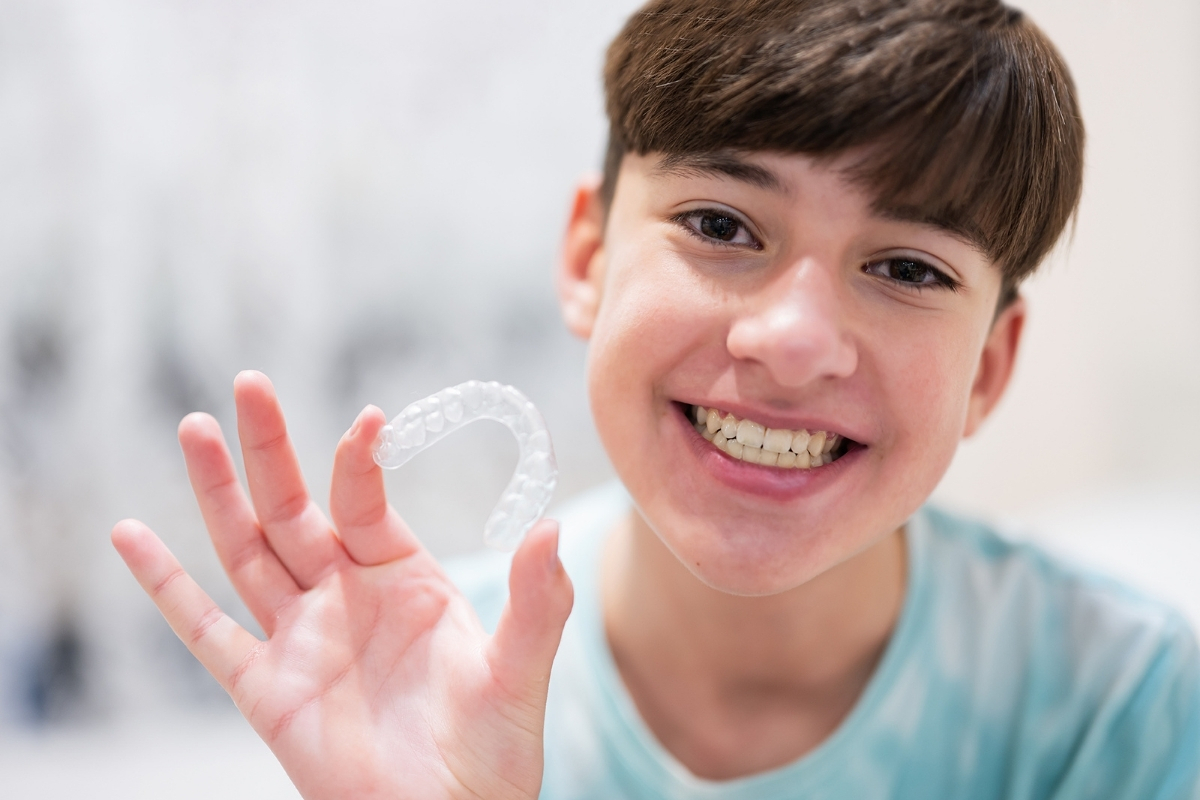
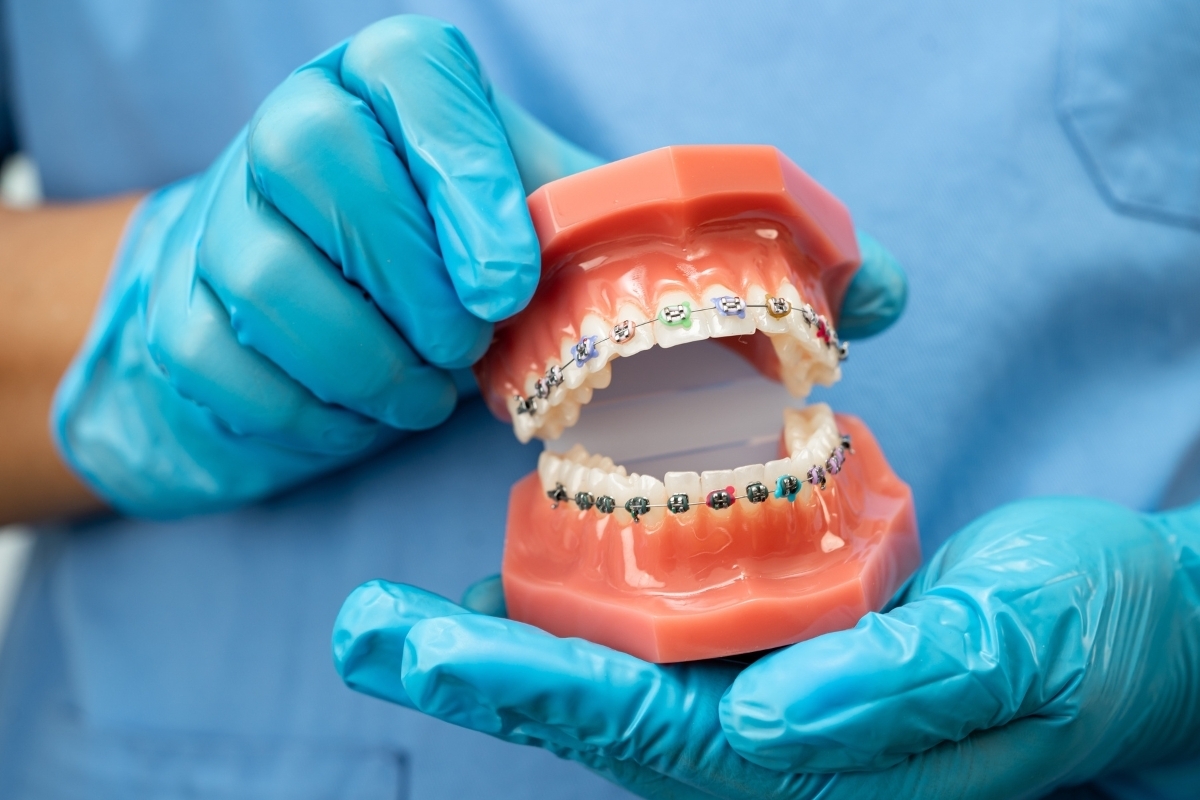
- Braces or clear aligners to shift teeth into proper alignment.
- Tooth extraction (in some cases) to make more room.
- Sometimes expanders (to widen the jaw) are used early in children to prevent severe crowding later.
Spacing (Gaps Between Teeth)
What it is: Teeth are too far apart, creating visible spaces or gaps.
Why it happens: Missing teeth, undersized teeth, or abnormal jaw-tooth size relationship.
For more on how orthodontic treatment can improve your overall well‑being, see the health benefits of orthodontic therapies.
Treatment options:
- Braces or aligners to close the gaps.
- If teeth are missing, sometimes bridges or dental implants are used in combination.
- In some cases, bonded appliances or veneers help with small cosmetic spacing issues.
Overbite / Deep Bite
What it is: The upper front teeth excessively overlap (vertically) the lower front teeth.
Why it happens: Could be jaw growth differences, genetics, habits like thumb-sucking, or delayed loss of baby teeth.
Treatment options:
- Braces or clear aligners, often with rubber bands or special springs.
- In severe adult cases, sometimes jaw surgery (orthognathic surgery) is needed.
- Growth modification appliances in children (to guide jaw growth).
Underbite
What it is: Lower front teeth sit in front of the upper front teeth.
Why it happens: The lower jaw may grow too much or the upper jaw too little. Genetics often plays a role.
Treatment options:
- Braces paired with elastics or springs.
- Use of devices that shift jaw growth (in younger patients).
- In adults, surgery may sometimes be necessary, followed by braces.
Open Bite
What it is: Upper and lower front teeth don’t touch when you bite down — there’s a vertical gap.
Why it happens: Habits like thumb or finger sucking, tongue thrusting, prolonged pacifier use, or sometimes skeletal jaw differences.
Treatment options:
- Habit-breaking appliances (if habits are the cause).
- Braces or aligners to bring teeth into contact.
- In severe situations, jaw surgery may be necessary.
Don’t just take our word for it, check out our real patients’ Google reviews and see why families in Elkhart trust us.
Overjet (“Buck Teeth” / Protruding Front Teeth)
What it is: The upper front teeth are pushed forward (horizontally) relative to the lower front teeth.
Why it happens: Jaw growth patterns, genetics, habits, or tooth position issues.
Treatment options:
- Braces or clear aligners with elastics to pull teeth back.
- Headgear or other appliances in growing children.
- In more serious cases, surgical correction may be part of the plan.
Missing or “Congenitally Absent” Teeth
What it is: Some people are born without certain teeth, such as lateral incisors.
Why it happens: Developmental factors, genetics.
Treatment options:
- Braces to close the space or shift adjacent teeth.
- Replacement of the missing tooth with a bridge, implant, or bonded (Maryland) bridge after alignment.
Jaw Discrepancies & Skeletal Problems
What it is: The upper and lower jaws may not grow at the same rates, causing bite misfits that can’t be solved just by moving teeth.
Why it happens: Genetic, growth pattern variations.
Treatment options:
- Growth modification appliances in children (when jaw growth is still active).
- Orthognathic (jaw) surgery in adults, often combined with braces before and after.
Why Choose Rick Burns Orthodontics?
Here’s what sets Rick Burns Orthodontics apart when it comes to addressing orthodontic issues in Elkhart:
- Experienced clinicians who’ve been serving the community for years.
- A full suite of treatment options: metal braces, ceramic/clear braces, Invisalign & Invisalign Teen, expanders, surgical orthodontics, and more.
- Modern technology—digital impressions, precise planning—used for better results and comfort.
- Tailored treatment plans based on your age, problem severity, and personal preferences.
- Convenient local office in Elkhart with caring staff.
If you’re dealing with crooked teeth, bite troubles, or any orthodontic concern, we can provide a consultation and treatment plan that fits your needs.
Orthodontic problems like crowding, spacing, overbites, underbites, open bites, missing teeth, or jaw misalignments are more common than many people think. But the good news is there are many treatment options available today—from braces to aligners to surgical solutions—that can bring lasting improvements.
If you’re in or around Elkhart, IN and want to explore these options, Rick Burns Orthodontics is a dependable local choice with a broad set of treatment tools and a reputation for quality care.