Pay Now

Playing Sports With Invisalign: What Middlebury Teens and Parents Should Know
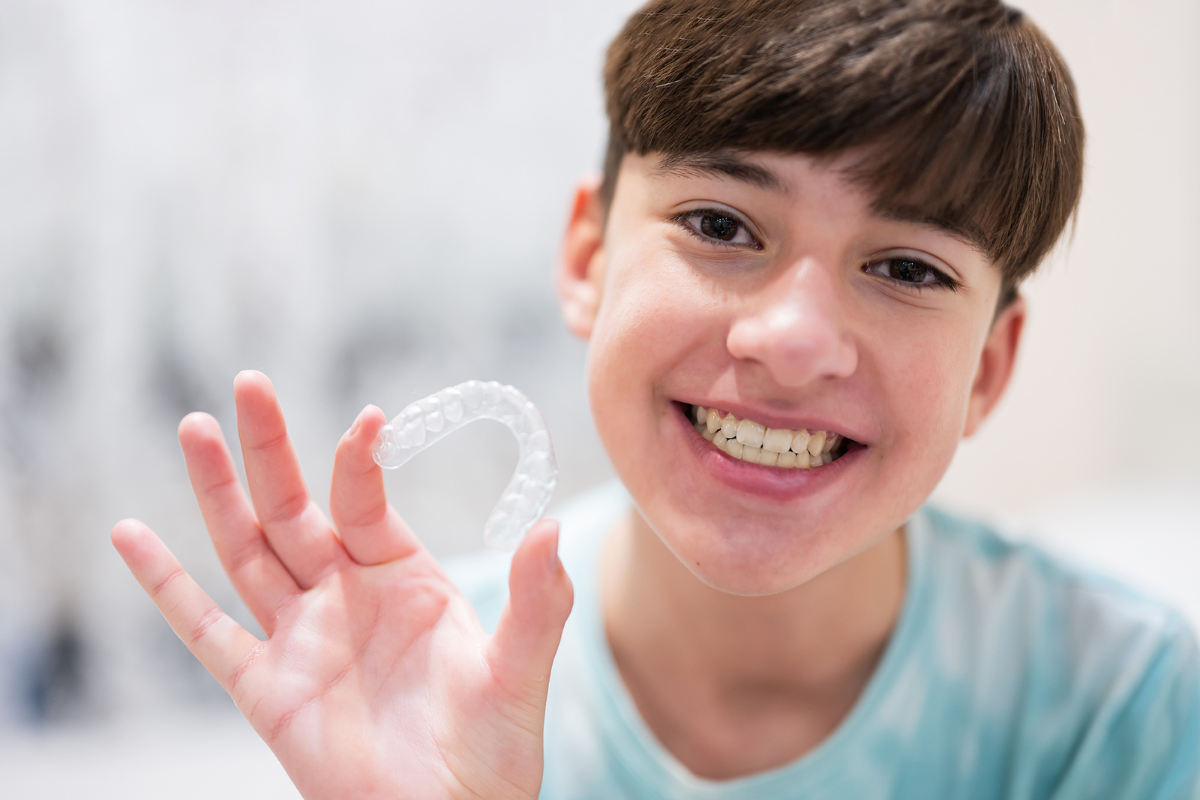
It’s Friday night under the lights, and your teen is lacing up their cleats for the big game. Somewhere between the pre-game nerves and the pep talk, a small worry creeps in what happens to their Invisalign trays once the whistle blows? If you’ve been Googling this at 9 p.m. the night before a tournament, you’re not alone. It’s one of the most common questions we hear from active families in Middlebury, and the good news is, the answer is a lot simpler than most parents expect.
Between soccer practice, wrestling meets, and everything in between, Middlebury teens have a lot going on and worrying about their orthodontic treatment shouldn’t be one more thing on that list. Let’s walk through exactly what you and your teen need to know about staying active while wearing clear aligners.
Can Teens Really Play Sports With Clear Aligners?
Short answer: yes, absolutely. Clear aligner treatment was designed with real, busy lives in mind, and that includes school sports, club teams, and weekend tournaments.
Unlike traditional braces, which have metal brackets and wires that can catch on mouthguards or cause injury during contact, clear aligners are smooth, custom-fitted, and low profile. Many student athletes wear them through an entire competitive season without missing a beat.
That said, there are a few practical habits worth building early on, especially for teens playing contact sports like football, hockey, or wrestling.
Should Aligners Be Worn During Games or Removed?
This is probably the number one question parents ask, and the answer depends on the sport.
- For non-contact sports (track, tennis, swimming, cross country), aligners can typically stay in during play.
- For contact or high-impact sports (football, basketball, soccer, wrestling), we generally recommend removing aligners and wearing a properly fitted mouthguard instead.
- For sports with a moderate risk of impact (baseball, softball, volleyball), talk with your orthodontist about what makes sense based on position and play style.
Removing aligners during high-contact activity protects both the trays and your teen’s teeth. A blow to the mouth while wearing a rigid tray can be uncomfortable and, in rare cases, risk damage to both the aligner and the tooth structure underneath.
What About Mouthguards? Can They Wear One With Invisalign?
Yes, and this is actually one of the easiest parts to plan for. Teens in active treatment can use a standard boil-and-bite or custom mouthguard during practices and games, just like any other athlete.
A few tips that make this simpler:
- Keep a hard, protective aligner case in the sports bag so trays never get tossed loose into a gym bag or lost on the sideline.
- Rinse aligners before putting them back in after a game, rather than just popping them straight from a pocket.
- If your teen needs a custom mouthguard, ask your orthodontist whether it should be designed to accommodate aligner treatment.
Many families find that once this routine becomes second nature, it takes less than a minute between practice and putting the trays back in.
Staying on Track With Wear Time
One thing we always emphasize with student athletes is this: aligners only work if they’re actually being worn. The general guideline is 20 to 22 hours a day, and that doesn’t leave a lot of room for extended removal during a full practice or double-header.
A few strategies that help busy teens stay consistent:
- Set a phone reminder for when trays come out and go back in.
- Pack a travel toothbrush so teeth can be cleaned quickly before reinserting aligners after a game.
- Treat the aligner case like part of the uniform — if it’s not in the mouth, it belongs in the case, not a pocket or gym bag.
This kind of consistency is genuinely one of the biggest factors in whether treatment stays on schedule. For families exploring whether this approach fits their teen’s schedule and lifestyle, our page on Invisalign for teens breaks down how the treatment is tailored specifically for students balancing school, sports, and everything else on their plate.
What If an Aligner Gets Damaged or Lost During a Game?
It happens, and it’s not the emergency it might feel like in the moment. If a tray cracks or goes missing mid-season, the best move is to contact your orthodontic office as soon as possible rather than trying to push through with a damaged aligner.
In many cases, your teen can simply move back to their most recent well-fitting tray temporarily while a replacement is made. Trying to “wait it out” without saying anything is usually what causes treatment delays, so open communication with your provider matters more than perfection here.
Building Confidence On and Off the Field
For a lot of teens, orthodontic treatment and sports season happen to overlap, and that can feel like a lot to juggle at once. But with a few small habits, a protective case, a mouthguard plan, and a bit of consistency, most student athletes barely notice a difference in their game.
If your teen has an upcoming season and you’re not sure how it fits with their current or upcoming treatment plan, that’s exactly the kind of question worth bringing to a consultation, rather than guessing based on what worked for a teammate.
Ready to Keep Your Teen’s Season and Smile on Track?
Between practices, games, and everything else on a teen’s schedule, orthodontic treatment shouldn’t feel like one more obstacle. The team at Rick Burns Orthodontics works with active Middlebury students every season to make sure their treatment plan fits their life, not the other way around. Schedule a consultation today and let’s talk through what a smooth, active treatment season can look like for your teen.
Frequently Asked Questions
Can you play contact sports with Invisalign?
Yes, but it’s generally recommended to remove aligners and wear a mouthguard during contact sports. This protects both the teeth and the aligner trays from impact.
Do you need a special mouthguard with Invisalign?
A standard or custom mouthguard usually works fine, though some orthodontists can recommend an option designed with aligner treatment in mind. Ask your provider what fits your teen’s sport best.
How many hours a day should Invisalign be worn for athletes?
The same general guideline applies to athletes as anyone else about 20 to 22 hours per day. Planning around practices and games helps keep wear time consistent.
Will playing sports slow down Invisalign treatment?
Not typically, as long as aligners are worn consistently and removed safely during contact activities. Skipping wear time for extended periods is what usually causes delays.
What happens if an aligner breaks during a game?
Contact your orthodontic office right away rather than continuing with a damaged tray. In most cases, your teen can wear their previous aligner temporarily until a replacement is ready.