Pay Now

Can Adults Benefit From Orthodontic Treatment?
You’re at a family gathering, laughing at something your nephew said, and you catch yourself instinctively covering your mouth. It’s a small habit, but one a lot of adults quietly carry with them for years, a leftover self-consciousness about teeth that shifted, crowded, or never quite straightened out the way they wanted. If that sounds familiar, here’s something worth hearing: it’s genuinely never too late to do something about it.
At Rick Burns Orthodontics, we see adults from Middlebury and the surrounding area every week who assumed braces or aligners were something they’d “missed the window” on back in high school. That’s simply not true, and understanding why can change how you think about your own smile.
Why So Many Adults Are Choosing Orthodontic Treatment
Teeth don’t stop moving once you become an adult. Natural aging, years of grinding or clenching, past dental work, or even just the slow shift of teeth over decades can leave adults with crowding, gaps, or bite issues that weren’t there in their twenties.
Common reasons adults seek treatment include:
- Teeth that have shifted or become crowded over time
- Gaps that have opened up between teeth
- Jaw discomfort or an uneven bite that’s developed gradually
- Wanting to fix something that was never treated in childhood
- Simply feeling ready to invest in their smile now that life has settled down
None of these reasons require a “good enough” excuse. Wanting a healthier, more comfortable bite is reason enough on its own.
Is It Actually Different for Adult Teeth?
This is a fair question, and the honest answer is: a little, yes, but not in a way that should discourage you. Adult teeth and jawbones are fully developed, which means treatment sometimes takes a bit more planning than it would for a growing teenager.
That said, modern orthodontics has come a long way. Many adults are excellent candidates for treatment, especially when:
- Gums and teeth are healthy overall
- Any existing dental work (crowns, bridges, fillings) is accounted for in the treatment plan
- There’s a clear understanding of the timeline and expected results
A thorough consultation is really the only way to know what your specific case needs, but the vast majority of healthy adults are good candidates for some form of treatment.
What Are the Options for Adults?
One of the biggest misconceptions we hear is that adult orthodontics still means a mouth full of metal. That’s rarely the case anymore.
Options commonly recommended for adults include:
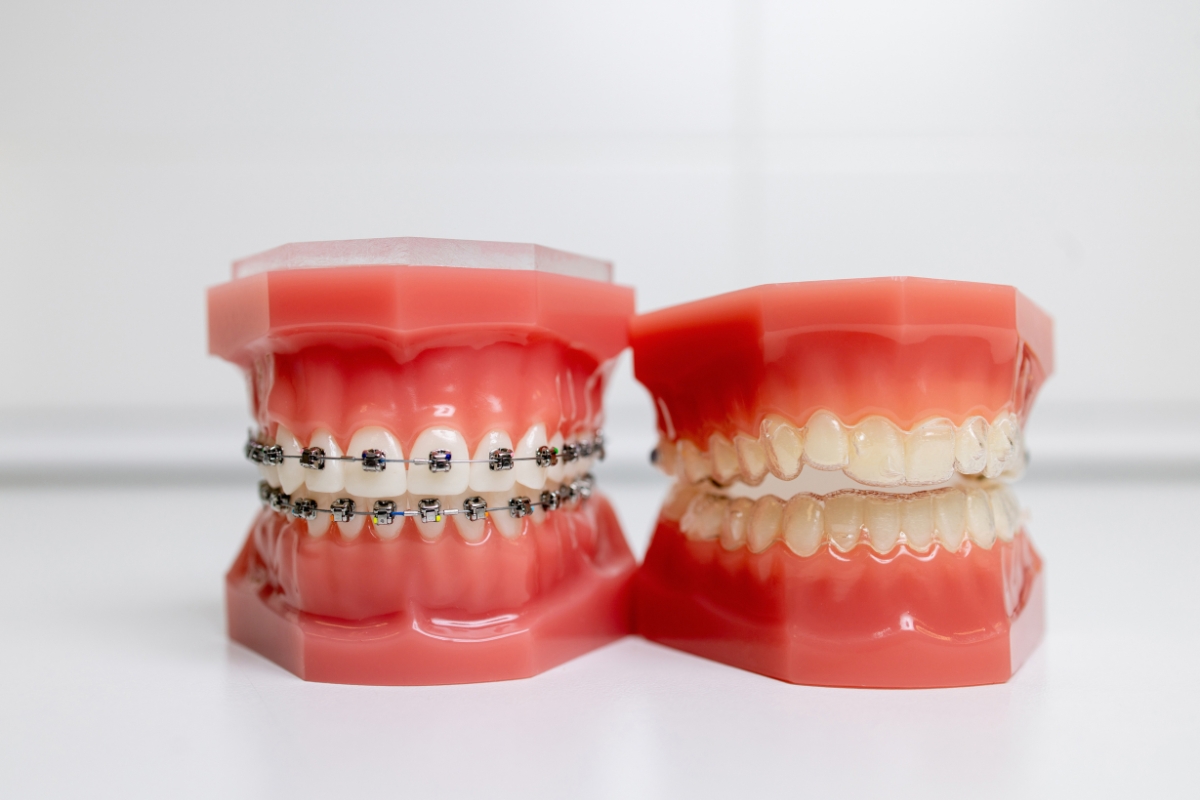
- Clear aligners, which are removable, low-profile, and popular with adults who want a more discreet option
- Ceramic braces, which blend in more closely with natural tooth color
- Traditional braces, still an effective choice for more complex cases
- Lingual braces, placed behind the teeth for a hidden option
Clear aligners in particular have made treatment far more compatible with adult schedules, work meetings, social events, and everyday life don’t need to revolve around a metal-and-wire mouth. If you’re weighing the differences between aligners and braces for your own smile, our page comparing Invisalign and braces for adults breaks down what tends to work best depending on your specific goals.
Does Treatment Take Longer for Adults?
Sometimes, but not dramatically so in most cases. Because adult bones have finished growing, certain movements can take a bit more time compared to a teenager’s still-developing jaw. However, many adult cases are considered mild to moderate, which can mean treatment timelines aren’t far off from what a teen might experience.
Your orthodontist will give you a realistic timeline after an exam, rather than a generic estimate, since every case genuinely is different.
More Than Just a Straighter Smile
It’s easy to assume orthodontic treatment is purely cosmetic, but for a lot of adults, it solves problems that go well beyond appearance:
- Easier, more effective brushing and flossing around straighter teeth
- Reduced strain on the jaw from an improved bite
- Lower risk of uneven wear on certain teeth over time
- A boost in confidence that, honestly, tends to show up in daily life more than people expect
Straighter teeth are simply easier to keep healthy, and that has ripple effects on your overall oral health for years to come.
Is Now a Good Time to Start?
There’s rarely a “perfect” time to begin treatment, and waiting for one often just means waiting longer than necessary. If you’ve been putting this off because you assumed you’d aged out of the option, that assumption is exactly what a quick consultation can put to rest.
Ready to Talk About Your Options?
If you’ve been quietly wondering whether it’s worth revisiting your smile as an adult, that curiosity is worth listening to. The team at Rick Burns Orthodontics works with adults throughout Middlebury every day, helping them figure out exactly what treatment, if any, makes sense for their goals and schedule. Schedule a consultation today and find out what your options really look like.
Frequently Asked Questions
Is it too late to get braces or Invisalign as an adult?
No, age alone doesn’t disqualify most adults from treatment. As long as gums and teeth are healthy, many adults are excellent candidates at any age.
How long does orthodontic treatment take for adults?
It varies by case, but many adult treatments range from several months to a couple of years. A consultation and exam will give you a personalized timeline.
Can adults get Invisalign instead of braces?
Yes, clear aligners are a popular option for adults with mild to moderate misalignment. Your orthodontist can confirm if you’re a good fit during an evaluation.
Does adult orthodontic treatment hurt more than teen treatment?
Discomfort levels are generally similar between adults and teens, with mild soreness common after adjustments. This typically fades within a few days.
Will insurance cover orthodontic treatment for adults?
Coverage varies widely by plan, and some adult dental insurance includes partial orthodontic benefits. Our office can help you review your specific coverage during a consultation.