Pay Now

How to Fix Crowded Teeth: Causes, Risks & Treatment Options
You brush twice a day, floss regularly, and still feel unhappy with the way your smile looks. For many people, the issue isn’t poor hygiene, it’s crowded teeth. As teeth compete for limited space in the jaw, they may overlap, twist, or shift into uneven positions that can affect both comfort and oral hygiene over time.
The good news is that crowded teeth can be treated successfully at almost any age. From braces to clear aligners and other modern orthodontic solutions, today’s treatments are more comfortable and discreet than ever before.
What Are Crowded Teeth?
Crowded teeth, sometimes called dental crowding, happen when there isn’t enough space in the jaw for all the teeth to fit properly. As a result, teeth may twist, overlap, push forward, or sit behind one another instead of aligning naturally.
Crowding can affect both the upper and lower arches, although lower front teeth are one of the most common areas where patients notice the problem first. Some people develop crowding during childhood as permanent teeth erupt, while others notice it gradually worsening in adulthood.
What Causes Crowded Teeth?
Several different factors can contribute to dental crowding. In many cases, it’s a combination of genetics and jaw development.
Genetics and Jaw Size
One of the most common causes is inheriting a smaller jaw with larger teeth. When teeth are too large for the available space, they naturally shift into overlapping positions.
Early Loss of Baby Teeth
Baby teeth act as placeholders for permanent teeth. If they fall out too early because of decay or injury, neighboring teeth can drift into the empty space and block permanent teeth from erupting correctly.
Delayed Tooth Eruption
Sometimes permanent teeth erupt later than expected, causing nearby teeth to move and reduce the available room in the dental arch.
Childhood Habits
Thumb-sucking, prolonged pacifier use, and tongue thrusting can affect jaw growth and tooth positioning during development.
Narrow Palate or Jaw Development Issues
A narrow upper jaw or underdeveloped dental arch can create insufficient space for permanent teeth.
Wisdom Teeth Pressure
Although wisdom teeth are not always the direct cause, erupting third molars may increase pressure in an already crowded mouth and contribute to shifting over time.
Types and Severity of Teeth Crowding
Orthodontists typically classify crowding based on how much space is missing in the jaw.
Mild Crowding
Mild crowding usually involves one or two slightly overlapping teeth with minimal spacing issues. Cases like these may sometimes be corrected with clear aligners, veneers, or minor orthodontic treatment.
Moderate Crowding
Moderate crowding affects multiple teeth and often causes visible rotation, overlapping, or bite concerns. Orthodontic treatment is usually recommended to create proper alignment.
Severe Crowding
In severe cases, teeth may erupt outside the dental arch or become significantly rotated. Patients with severe crowding often require comprehensive orthodontic care and, in some situations, tooth extraction to create adequate space.
Problems Caused by Untreated Crowded Teeth
Many people think crowded teeth are only a cosmetic issue, but misalignment can create long-term oral health problems if left untreated.
Difficulty Cleaning Teeth
Overlapping teeth create tight spaces where plaque and bacteria accumulate easily. Even with regular brushing and flossing, these areas can be difficult to clean properly.
Higher Risk of Cavities and Gum Disease
Because plaque builds up more easily around crowded teeth, patients may face a greater risk of tooth decay, gum inflammation, and periodontal disease.
Uneven Tooth Wear
When teeth do not align correctly, certain teeth absorb more pressure during chewing. Over time, this uneven force can wear down enamel and increase the risk of chipping or fractures.
Jaw Pain and Bite Problems
Crowding can place extra stress on the jaw joints and surrounding muscles, sometimes contributing to TMJ discomfort, headaches, or bite irregularities.
Reduced Confidence
For many patients, crowded teeth affect self-esteem and make them hesitant to smile in social or professional situations.
Can Adults Fix Crowded Teeth?
Absolutely. Orthodontic treatment is no longer just for teenagers. Adults of all ages are successfully correcting crowded teeth with modern treatment options that are more discreet and comfortable than traditional methods from the past.
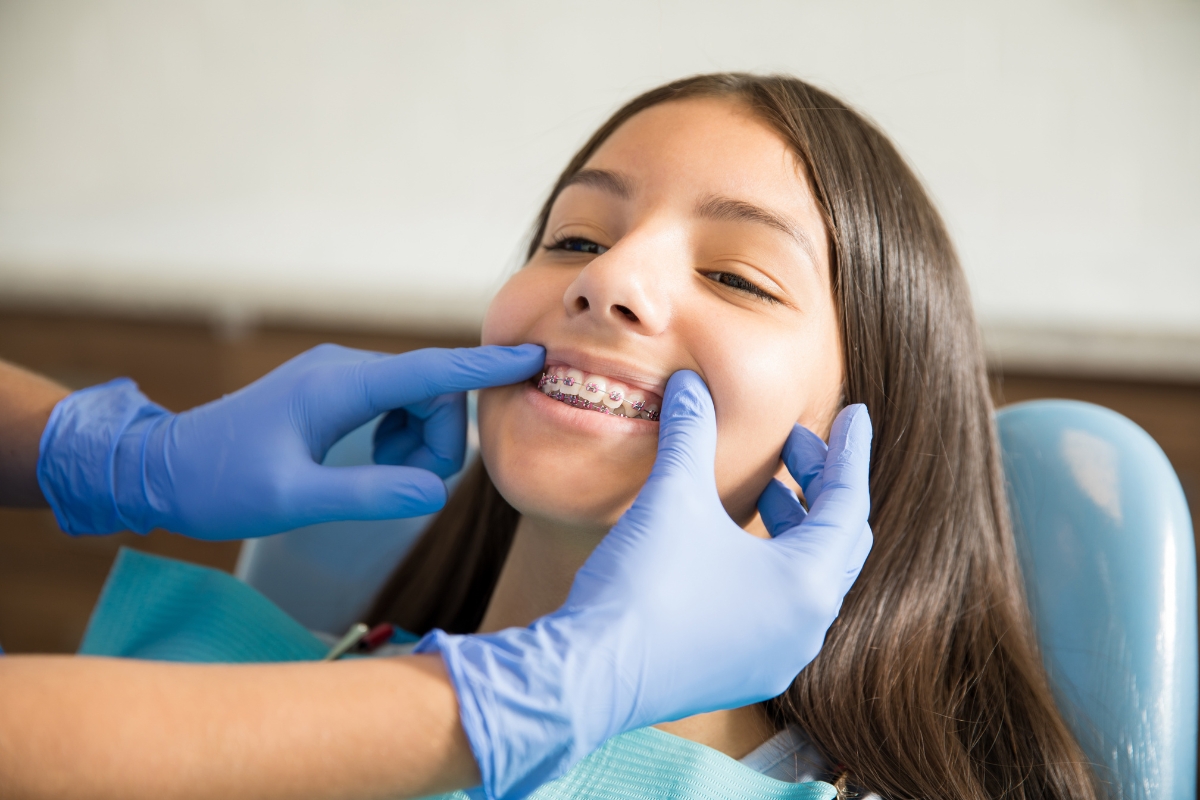
While treatment may take slightly longer for adults because the jawbone is fully developed, the results can still be highly effective. Patients exploring treatment options in Middlebury and Elkhart often choose braces or clear aligners to improve both the appearance of their smile and their long-term oral health. Today’s orthodontic solutions are designed to fit different lifestyles and smile goals, whether that means traditional braces, ceramic braces, or clear aligners through orthodontic care.
Best Treatment Options for Crowded Teeth
The right treatment depends on the severity of crowding, bite alignment, and overall oral health.
Traditional Metal Braces
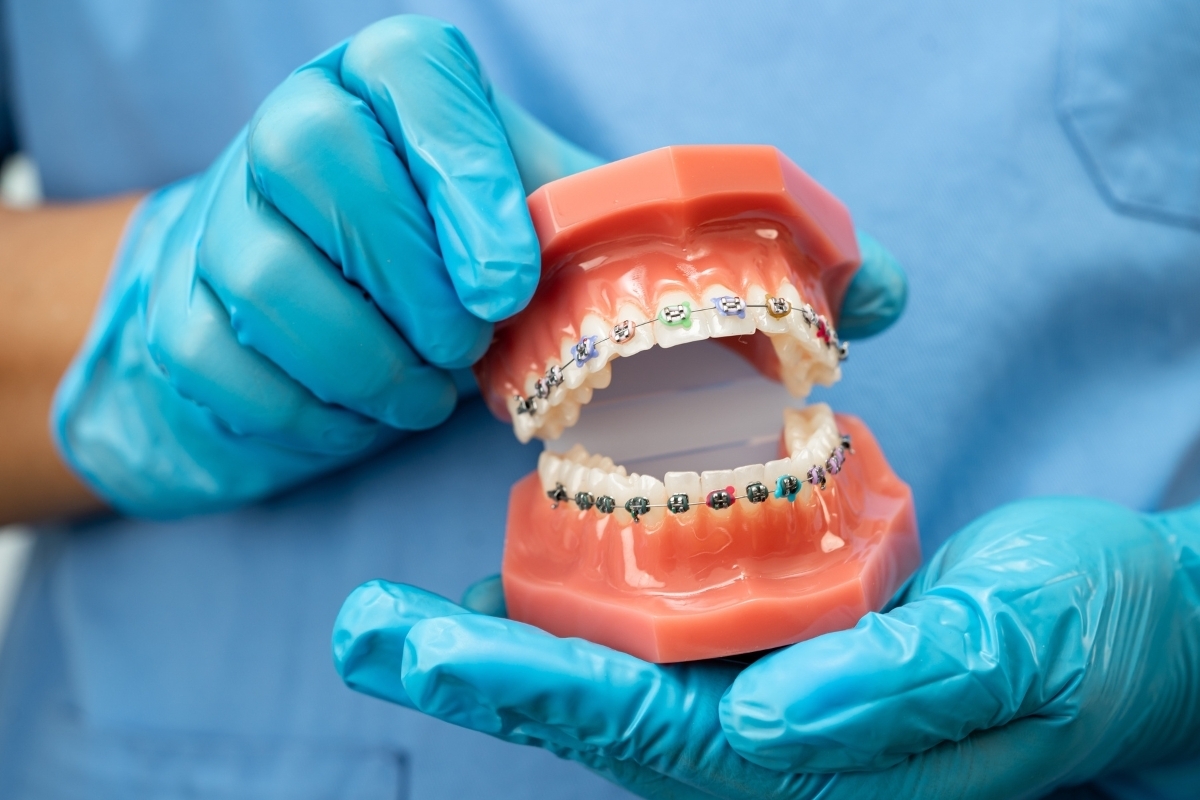
Metal braces remain one of the most effective solutions for moderate to severe crowding. Brackets and wires gradually move teeth into healthier positions with precise control.
They are especially useful for:
- Severe crowding
- Rotated teeth
- Bite correction
- Complex orthodontic cases
Clear Aligners
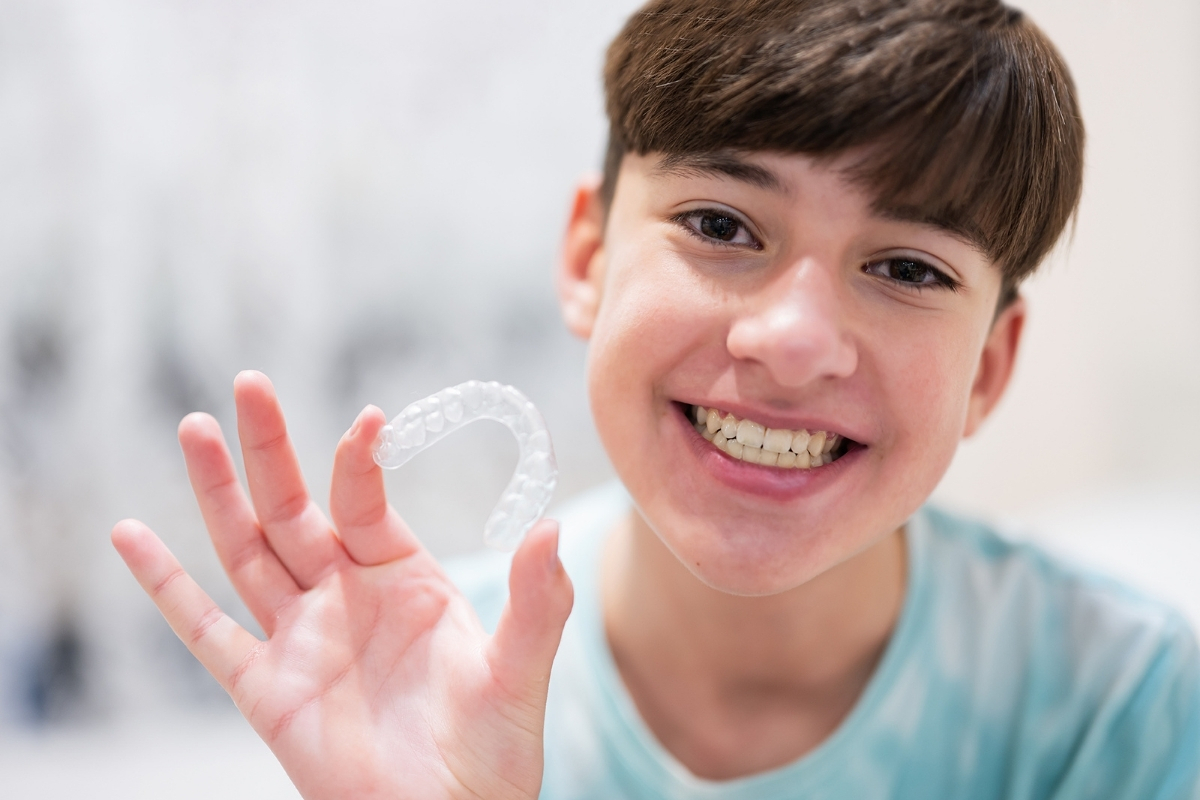
Clear aligners use a series of custom trays to gently shift teeth into place. Because they are removable and nearly invisible, they are a popular option among adults and teens.
Clear aligners work best for:
- Mild to moderate crowding
- Patients wanting discreet treatment
- Easier brushing and flossing during treatment
Ceramic Braces
Ceramic braces function similarly to metal braces but use tooth-colored brackets for a less noticeable appearance.
Palatal Expanders
For younger patients whose jaws are still developing, expanders can widen the upper jaw and create additional space for permanent teeth.
Tooth Extraction and Orthodontics
In severe crowding cases, removing one or more teeth may be necessary to create enough space for proper alignment. After extraction, braces or aligners guide the remaining teeth into position.
Interproximal Reduction (IPR)
IPR is a conservative technique where very small amounts of enamel are reshaped between teeth to create additional space. This method is commonly used alongside clear aligners in mild crowding cases.
How Long Does It Take to Fix Crowded Teeth?
Treatment time varies depending on the complexity of the case and the type of orthodontic treatment used.
- Mild crowding: approximately 6–12 months
- Moderate crowding: approximately 12–18 months
- Severe crowding: approximately 18–24 months or longer
Your orthodontist will provide a personalized timeline after a complete examination, digital scans, and X-rays.
Retainers After Treatment
Once braces or aligners are removed, retainers help maintain the new position of your teeth. Teeth naturally tend to shift over time, especially after orthodontic treatment, so wearing retainers consistently is essential for preserving long-term results.
Final Thoughts
Whether your case is mild or severe, early evaluation and personalized treatment can help create a straighter, healthier smile that’s easier to maintain for years to come. At Rick Burns Orthodontics, our team creates customized treatment plans designed to improve both smile aesthetics and long-term oral health. If you’re ready to explore your options, schedule your appointment today or to take the first step toward a healthier, more confident smile.
Frequently Asked Questions
Q: How do I know if my teeth are crowded enough to need treatment?
If your teeth overlap, rotate, or feel difficult to clean properly, they likely need attention. A consultation with an orthodontist will confirm the severity and best treatment path.
Q: Is crowding treated the same in children and adults?
The same treatment types apply, but timing differs. Children may benefit from early interceptive care. Adults can still achieve excellent results, though treatment may take a bit longer.
Q: Are braces or clear aligners better for crowded teeth?
It depends on the case. Braces offer more precision for complex crowding. Clear aligners work well for mild to moderate cases. Your orthodontist will recommend the best option for your specific needs.
Q: Can retainers fix crowded teeth without braces?
Standard retainers maintain alignment after treatment, they don’t create it. Only active orthodontic appliances like braces or aligners can move teeth into proper position.
Q: Will crowded teeth get worse over time if left untreated?
Yes. Without treatment, crowding often worsens gradually. Teeth continue shifting throughout your life, making early intervention the smarter long-term investment.