Pay Now

Does Orthodontic Treatment Hurt? What Elkhart Patients Should Know
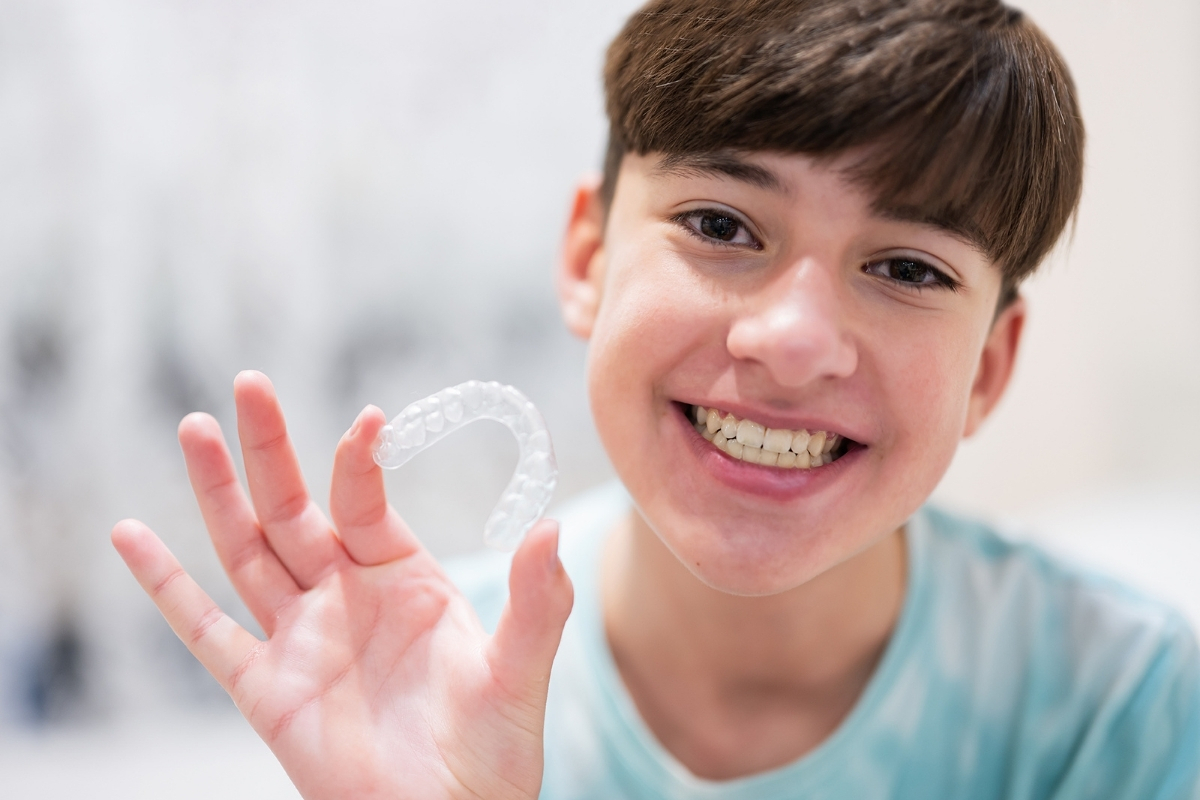
Let’s be honest, the fear of pain is one of the biggest reasons people put off orthodontic treatment. Maybe you’ve heard stories from a friend who said their braces were unbearable, or you remember seeing someone wince after an adjustment appointment. It’s a fair concern, and you deserve a straight answer rather than a vague “it’s not that bad.”
So, does orthodontic treatment hurt? The truth might actually surprise you: it’s nowhere near as painful as the rumors suggest. There is some discomfort involved particularly in the first few days and after adjustments but it’s very manageable, and for most patients, it fades quickly. What you experience is far less dramatic than the stories would have you believe.
Here’s what’s actually going on, and what you can do to stay comfortable throughout your treatment.
Why Discomfort Happens at All
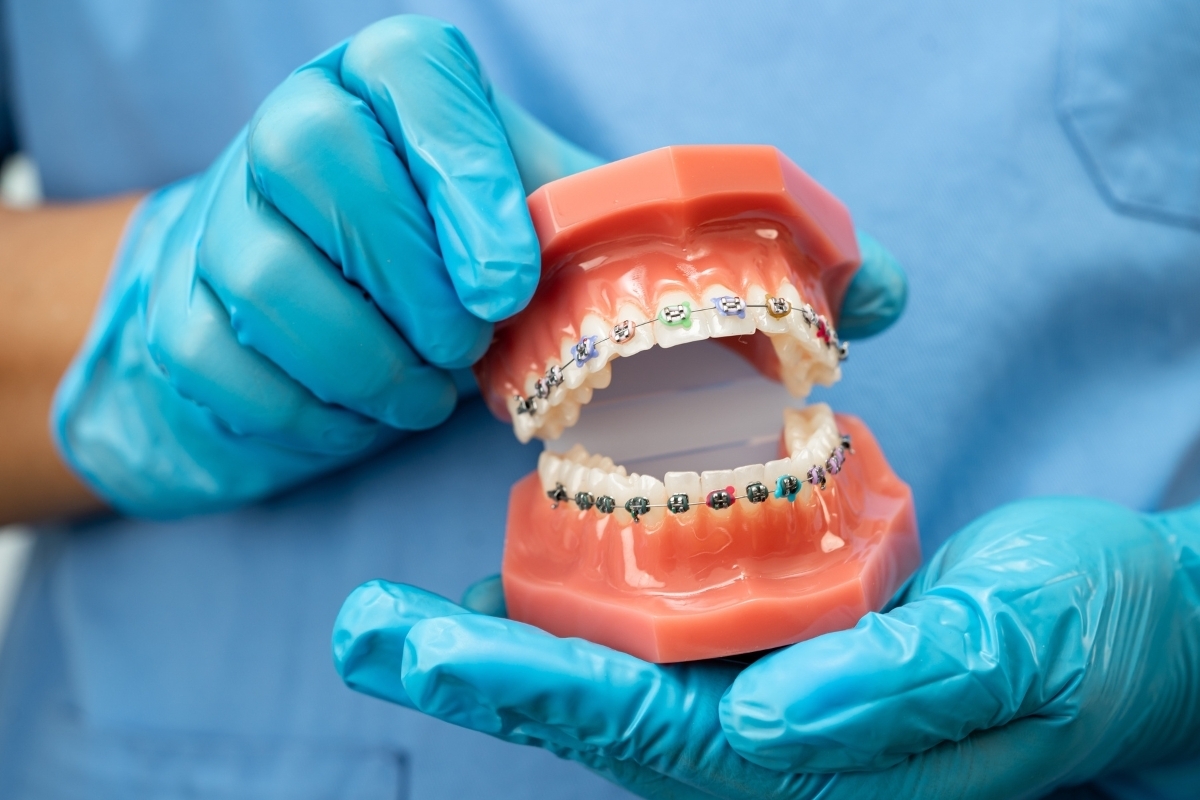
Understanding why you feel sore makes it a lot easier to deal with. Braces and aligners work by applying gentle, steady pressure to your teeth, nudging them gradually into a new position. Your teeth and the surrounding tissue aren’t used to that pressure so in the beginning, they push back a little.
This initial response is completely normal. It’s not a sign that something is wrong; it’s actually a sign that treatment is doing exactly what it’s supposed to do.
The soreness you feel is typically described as a dull ache rather than sharp pain. Think of it like the muscle soreness you get a day after a workout noticeable, but not unbearable.
When Is Orthodontic Discomfort Most Common?
Orthodontic treatment pain tends to follow a predictable pattern. Being aware of when soreness typically kicks in puts you in a much better position to stay on top of it.
The first 3–5 days after getting braces: This is usually the most uncomfortable stretch of the entire treatment. Your teeth are adjusting to the new pressure, and your cheeks and lips may be getting used to the brackets.
- After each adjustment appointment: Every 4–8 weeks, your orthodontist tightens or changes your wires to keep progress moving. Mild braces soreness for 24–48 hours after these visits is common.
- When starting a new set of aligners: If you’re on clear aligners, each new tray creates fresh pressure. Most patients feel it most on the first day or two.
- Bracket or wire irritation: Occasionally, a bracket edge or wire end can rub against the inside of your cheek. This isn’t pain from the treatment itself — it’s more of a friction issue that’s easy to fix with orthodontic wax.
What Does It Actually Feel Like?
Do braces hurt in the way a toothache or injury hurts? No and that distinction matters. Most patients describe the discomfort as:
- Steady pressure on the teeth that makes them feel squeezed or pushed
- Mild achiness when biting down or chewing
- Tenderness in the gums around the adjusted teeth
- Occasional lip or cheek irritation from the hardware
Sharp or severe pain that doesn’t ease up is not a normal part of treatment. If you’re experiencing that, it’s worth calling your orthodontist to check that everything is sitting correctly.
Simple Ways to Manage the Soreness
The good news is that orthodontic discomfort responds well to straightforward remedies. You don’t need to white-knuckle your way through it.
Over-the-counter pain relief — Ibuprofen or acetaminophen taken as directed works well for most patients. If you know an adjustment is coming, taking a dose beforehand can help get ahead of the soreness.
Soft foods — For the first couple of days after getting braces or after an adjustment, stick to foods that don’t require much chewing. Think yogurt, mashed potatoes, soup, scrambled eggs, and smoothies. Your teeth will thank you.
Cold drinks and cold foods — A cold glass of water or a scoop of ice cream (yes, really) can help reduce inflammation and numb the area temporarily.
Orthodontic wax — If a bracket or wire is irritating your cheek, a small piece of wax rolled over the offending spot creates a soft barrier. Your orthodontist will give you some, and it makes a noticeable difference.
Rinsing with warm salt water — A simple salt water rinse can soothe tender gum tissue, especially in the early days.
After an Adjustment: Drawing the Line Between Expected and Unexpected
Pain after braces adjustment appointments is the part patients tend to dread most. Here’s a simple way to think about it: if the soreness is improving after 48 hours, you’re in normal territory. If it’s getting worse or staying the same beyond that window, check in with your orthodontist.
What’s normal:
- Tenderness that peaks around day 1–2 and fades by day 3–4
- Difficulty eating harder foods for a day or two
- Mild gum sensitivity around adjusted teeth
What warrants a call to your orthodontist:
- A wire that has shifted and is poking your cheek or the back of your mouth
- A bracket that has come loose
- Pain that isn’t improving after 4–5 days
Does It Get Easier Over Time?
Yes, genuinely. The first week of braces is almost always the hardest, and most patients find that subsequent adjustments cause noticeably less discomfort as treatment progresses. Your mouth adapts, and what felt significant at the start barely registers a few months in.
For anyone in the Elkhart area considering treatment for themselves or their child, this is exactly the kind of thing a good Elkhart Orthodontist will walk you through before you commit to anything, so you know what to expect at every stage, not just the beginning.
Orthodontic Care During Treatment: Keeping Discomfort Low
Orthodontic care during treatment plays a bigger role in comfort than most patients realize. A few habits go a long way:
- Attend all scheduled appointments — skipping adjustments doesn’t reduce discomfort; it often extends treatment and creates more pressure when you do come in
- Follow your orthodontist’s food guidelines — hard, sticky, or crunchy foods can break brackets and create additional soreness
- Keep up with brushing and flossing — poor hygiene around brackets can cause gum inflammation that makes everything feel worse
- Wear your aligners as directed — if you’re on clear aligners, wearing them the recommended 20–22 hours a day actually prevents the teeth from shifting back, which would make each new tray more uncomfortable
Still Have Questions? Let’s Talk.
Concern about discomfort shouldn’t be the thing standing between you and a healthier, straighter smile. Most patients look back on their treatment and say the soreness was far less of an issue than they’d anticipated and the results were absolutely worth it.
At Rick Burns Orthodontics, we believe an informed patient is a comfortable one. Our team takes the time to walk you through every step of your treatment, answer your questions honestly, and make sure you feel confident going in. Whether you’re considering braces for your child or exploring your own options as an adult, we’re here to help.
Schedule your consultation with Rick Burns Orthodontics today and let’s build a plan that works for you, at every stage of the process.
Frequently Asked Questions
1. How long does the pain from braces last?
Initial soreness typically lasts 3–5 days after getting braces fitted. After adjustment appointments, most patients feel better within 1–2 days.
2. Is Invisalign less painful than traditional braces?
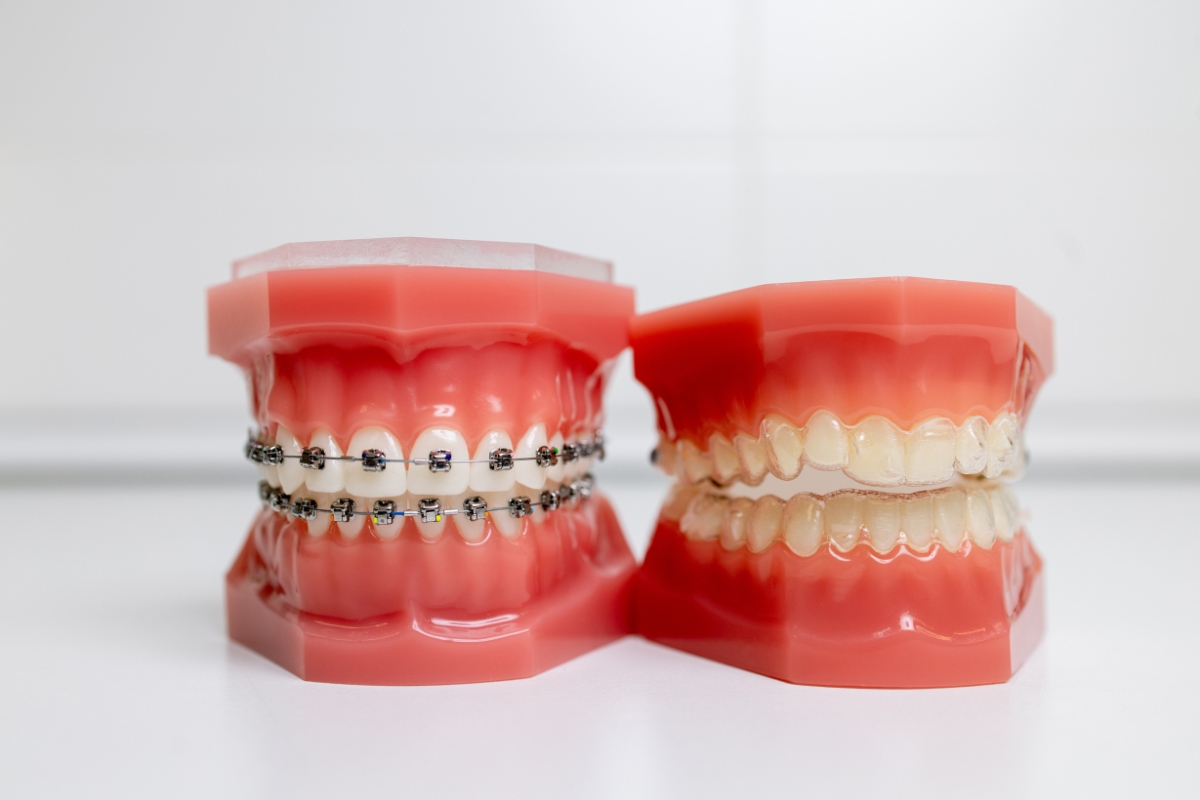
Invisalign tends to cause less irritation to the cheeks and lips, but the pressure-related discomfort is similar. Both options involve some soreness when new pressure is applied.
3. Can I take painkillers before a braces adjustment?
Yes — taking ibuprofen about an hour before an adjustment appointment is a widely recommended strategy for staying ahead of post-adjustment soreness.
4. What foods should I avoid when my braces are sore?
Hard, crunchy, or chewy foods like raw carrots, bagels, and hard candy put extra pressure on sore teeth. Soft foods are your best friend during the first day or two.
5. Do braces hurt more for adults than for children?
Adults may experience slightly more initial discomfort since their bone density is higher. That said, the difference is modest, and the overall experience is very manageable at any age.