Pay Now

Does My Child Need Two-Phase Treatment?
Have you ever wondered if your child truly needs early orthodontic intervention? In Elkhart, more parents are seeking guidance on Two-Phase treatment as awareness about early dental development grows. Many children experience misaligned teeth, overcrowding, or jaw discrepancies, and parents are realizing the importance of addressing these issues at the right time.
Two-Phase Treatment is designed to manage complex orthodontic problems while a child’s mouth is still growing. By starting treatment early, issues such as crooked teeth, bite misalignments, and jaw growth concerns can be addressed more effectively, often reducing the need for extensive treatment in the teenage years. Local families in Elkhart trust orthodontists for early evaluation because timely care can improve oral health, self-esteem, and long-term results.
Understanding whether your child is a candidate for Two-Phase Treatment can make a big difference in ensuring their teeth and jaw develop properly, and the right orthodontist can guide you through every step of the process.
What is Two-Phase Orthodontic Treatment?
Two-Phase Treatment is a strategic approach where orthodontic care is divided into two distinct phases. Phase One, often called early intervention, usually begins between ages 7–10. It focuses on correcting jaw growth, guiding permanent teeth into better positions, and addressing functional problems.
Phase Two typically starts when most permanent teeth have erupted and focuses on aligning the teeth fully and perfecting the bite. This phased approach can prevent more severe issues, reduce the need for extractions, and sometimes shorten the duration of braces in the later phase.
Benefits of Two-Phase Treatment
Two-Phase Treatment offers several advantages for growing children. Early intervention can correct jaw discrepancies, improve bite function, create space for incoming teeth, and reduce the risk of trauma to protruding teeth. Additionally, it can help children feel more confident about their smile at a younger age, which is crucial for social and emotional development. Orthodontists in Elkhart report that children who undergo early evaluation and treatment often achieve more stable and aesthetically pleasing results.
If you’ve ever asked yourself, “How do I know if my orthodontist is doing a good job?” we break it down here.
Signs Your Child May Need Two-Phase Treatment
Parents should look for warning signs that indicate the need for Two-Phase Treatment. Some common indicators include:
Severe Crowding or Spacing of Teeth:
If your child’s teeth appear too close together or have large gaps, it may signal that there isn’t enough room in the jaw for permanent teeth to grow correctly. Early intervention can create space and guide proper alignment.
Crossbites or Open Bites: A crossbite occurs when the upper teeth bite inside the lower teeth, and an open bite happens when the upper and lower front teeth don’t meet when biting down. Both conditions can affect chewing, speech, and jaw development, making early treatment important to prevent worsening problems.
Early or Late Loss of Baby Teeth:
Losing baby teeth too early or retaining them too long can disrupt the natural eruption of permanent teeth. This may cause teeth to emerge in misaligned positions, which can often be corrected more easily with Two-Phase Treatment.
Protruding or Misaligned Teeth:
Teeth that stick out excessively or are visibly misaligned can increase the risk of trauma or injury. Early orthodontic care can reposition teeth safely and guide proper jaw growth.
Difficulty Chewing, Biting, or Speaking:
If your child struggles with biting, chewing, or pronouncing certain words, it may indicate an underlying jaw or bite issue. Two-Phase Treatment can address these functional problems while the jaw is still developing.
Jaw Asymmetry or Shift:
Noticeable differences in the alignment of the upper and lower jaw or frequent shifting of the jaw while chewing may suggest skeletal discrepancies. Early treatment can help correct jaw growth and improve facial balance.
Thumb Sucking or Prolonged Pacifier Use:
Habits like thumb sucking or extended pacifier use can impact teeth alignment and bite development. Early evaluation allows the orthodontist to manage these effects and guide proper growth.
If these signs are present, it’s best to consult a trusted orthodontist for a professional evaluation.
The Process of Two-Phase Treatment
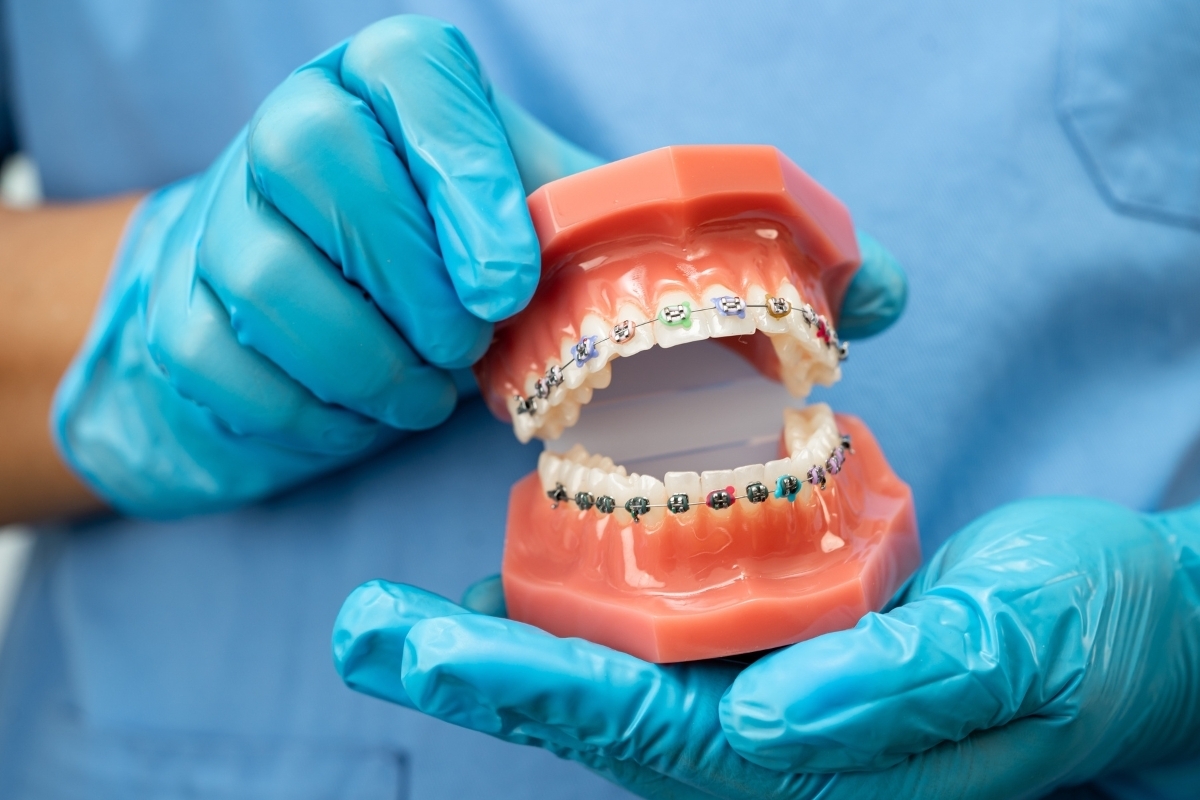
The first phase involves customized appliances, such as expanders or partial braces, to guide jaw growth and tooth development. After Phase One, the orthodontist monitors the child’s progress until the second phase begins, typically around age 12–14. Phase Two focuses on precise alignment using braces or clear aligners. Throughout both phases, the orthodontist ensures treatment is tailored to the child’s unique dental needs, promoting optimal oral health and long-lasting results.
Why Choose Rick Burns Orthodontics
Rick Burns Orthodontics is recognized as a leading provider of Two-Phase Treatment in Elkhart. Our experienced team offers personalized care, modern technology, and a welcoming environment for children and teens. From the initial consultation to the completion of both treatment phases, Rick Burns Orthodontics ensures every step is carefully planned and executed to achieve the best results. Families in Elkhart trust the practice for its expertise in managing complex cases and creating confident, healthy smiles.
Two-Phase Treatment can be a game-changer for children with developing orthodontic issues. By identifying potential problems early and implementing a structured approach, parents can ensure their child’s smile develops correctly and comfortably. If you’re considering Two-Phase treatment for your child, Rick Burns Orthodontics in Elkhart provides expert guidance, advanced care, and a supportive environment to help your child achieve the best possible results.