Pay Now

How Age Can Affect Your TMJ and How to Treat It
Blog Summary:
TMJ discomfort can change as you age, often showing up in different ways at different stages of life. This blog explains what TMJ is, how aging impacts the jaw joint over time, common symptoms by age group, why early care matters, and what treatment options may help relieve discomfort. Readers in Elkhart, IN will also learn why working with a medical professional specializing in TMJ care can make a meaningful difference in long-term jaw health.
The temporomandibular joint, commonly called the TMJ, connects your jaw to your skull and allows you to speak, chew, and yawn comfortably. Because this joint is used thousands of times each day, even small changes over time can lead to strain or discomfort.
TMJ disorders can affect people of all ages. However, age plays an important role in how symptoms develop, how long they last, and how the condition responds to treatment. Many people are surprised to learn that jaw discomfort they feel later in life may be linked to habits, alignment issues, or joint stress that began years earlier.
According to data shared by the National Institute of Dental and Craniofacial Research, millions of Americans experience TMJ-related symptoms, and these symptoms often evolve as the body changes with age. This makes understanding TMJ across life stages especially important.
Ready to Take Control of Your Jaw Health? Call Today!

Thank you for taking the time to learn more about how age can affect your TMJ and the steps you can take to treat it. Dr. Rick Burns and our experienced team at Rick Burns Orthodontics are dedicated to helping patients of all ages find relief and maintain long-term jaw health. We focus on personalized care, thorough evaluation, and treatment strategies tailored to your unique needs.
Your consultation is always personalized, so why wait? Let our Elkhart, IN team guide you through every step and help you feel confident in your TMJ treatment. Schedule an appointment today and take the first step toward a healthier, more comfortable jaw!
How TMJ Symptoms Can Change With Age
TMJ in Children and Teens
In younger patients, TMJ symptoms are often related to jaw development, orthodontic changes, or habits such as clenching and grinding. Growth spurts can affect how the jaw aligns, sometimes creating uneven pressure on the joint. When these early changes are evaluated early, potential concerns can often be managed before they affect long-term jaw health.
Teens undergoing orthodontic treatment may also notice jaw clicking or tightness as teeth and bite alignment shift. With proper monitoring, many of these issues can be addressed before they become ongoing problems.
TMJ in Adults
Adulthood is when TMJ symptoms most commonly become noticeable. Stress, work habits, and lifestyle factors often lead to clenching or grinding, especially during sleep. Over time, this repeated strain can irritate the joint and surrounding muscles.
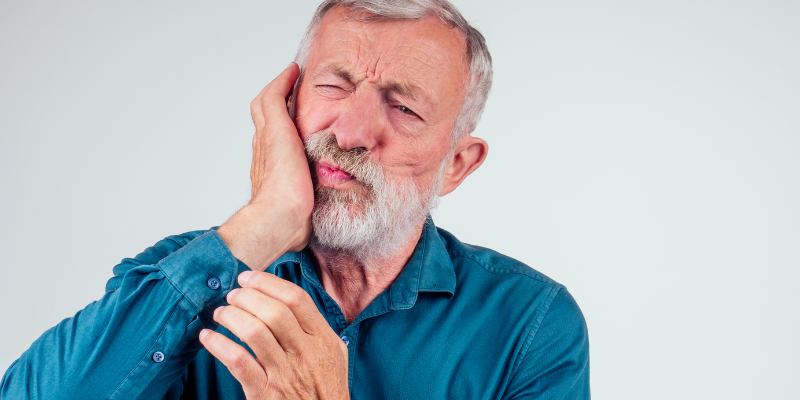
Adults may experience jaw pain, headaches, facial soreness, or difficulty opening and closing the mouth. Because these symptoms can overlap with sinus issues or dental discomfort, TMJ is sometimes overlooked until it becomes more persistent. At this stage, seeing a medical professional specializing in TMJ care can help identify the root cause and guide appropriate treatment.
TMJ in Older Adults
As we age, joints throughout the body experience natural wear, and the TMJ is no exception. Cartilage thinning, arthritis, and muscle stiffness can contribute to reduced jaw flexibility and increased sensitivity.
Older adults may notice stiffness in the jaw, changes in bite comfort, or pain that radiates to the neck and shoulders. Medications, missing teeth, or changes in oral structure can also influence how the jaw functions later in life.
We are having a great experience at Rick Burns Orthodontics! All of the staff are friendly and helpful. Our last appointment was not with Dr. Burns, but he saw us as we were walking out and stopped to ask my daughter how her treatment was going. It’s obvious that he truly cares about his patients. – R Haney
See why our patients love their smiles. Read their Google reviews and make an informed decision.
Why TMJ Can Worsen Over Time Without Care
TMJ disorders do not always stay the same. Mild symptoms can gradually become more frequent or intense if the underlying cause is not addressed. Ongoing strain on the joint may lead to inflammation, muscle imbalance, or limited jaw movement.
The Centers for Disease Control and Prevention notes that joint-related conditions often benefit from early evaluation and ongoing management. This is why consulting a medical professional specializing in TMJ care is important, especially when symptoms persist or interfere with daily life.
Early care can help reduce long-term discomfort and support healthier jaw function as you age.
Common TMJ Symptoms to Watch For
TMJ symptoms can look different from person to person, but common signs include jaw pain or tightness, clicking or popping sounds, headaches, facial soreness, and discomfort while chewing. Some people also experience ear pressure or ringing that is not related to hearing issues.
If these symptoms appear more often or begin affecting sleep, eating, or speaking, it may be time to seek professional evaluation.
TMJ Treatment Options at Different Ages
TMJ treatment is not one-size-fits-all. Care is often adjusted based on age, symptoms, and overall oral health.
Younger patients may benefit from monitoring jaw development or addressing bite alignment early. Adults often respond well to therapies that reduce muscle strain and improve jaw balance. Older adults may require care that focuses on joint support and comfort.
Treatment may involve orthodontic evaluation, bite correction, jaw alignment strategies, or supportive therapies aimed at reducing pressure on the joint. The goal is always to improve function while minimizing discomfort.
Tired of jaw pain and wondering if at home TMJ remedies actually help? Learn what works and what doesn’t by checking out expert insights here to protect your jaw and get real relief.
Why Local TMJ Care in Elkhart, IN Matters
Elkhart residents lead active lives, balancing work, family, and community involvement. Jaw discomfort can make daily routines more difficult, especially when left untreated.
Working with a local provider allows for consistent follow-ups and personalized care that reflects your lifestyle and health history. Having a trusted team nearby also makes it easier to adjust treatment as your needs change over time.
Rick Burns Orthodontics provides TMJ and TMD care for patients in and around Elkhart and Middlebury, IN, focusing on long-term jaw health and comfort. Our approach emphasizes careful evaluation, individualized treatment planning, and support at every stage of life. For those seeking a medical professional specializing in TMJ care, having access to experienced local providers can bring clarity and peace of mind.
Your Jaw Health Changes With You
TMJ concerns are not limited to one age group. From childhood through the senior years, the jaw adapts to growth, stress, and natural wear. Understanding how age affects TMJ symptoms empowers patients to take action sooner rather than later.
When jaw discomfort is addressed early and monitored over time, many people experience improved comfort, better function, and a higher quality of life. If you have noticed changes in your jaw or ongoing discomfort, speaking with a qualified provider can help you understand your options and protect your jaw health for the years ahead.