Pay Now

Open Bite Braces Treatment: Achieve a Healthier, Properly Aligned Smile
You bite into a sandwich… but your front teeth don’t touch. Or maybe your back teeth don’t meet the way they should. It might not seem like a big deal at first, but over time, this kind of bite issue can affect how you eat, speak, and even how confident you feel about your smile.
If this sounds familiar, you may be dealing with an open bite, and the good news is that braces for open bite can effectively correct it and restore proper function.
What Is an Open Bite?
An open bite is a type of misalignment where the upper and lower teeth don’t come together when your mouth is closed. Instead of a natural overlap, there’s a visible gap.
There are two main types:
- Anterior open bite: The front teeth don’t touch when biting down
- Posterior open bite: The back teeth fail to come together properly, even when the front teeth appear to make contact.
Both types can impact chewing, speech, and overall oral health if left untreated.
What Causes an Open Bite?
Understanding what causes an open bite can help you see why treatment is important. It’s often not just one factor, but a combination of habits and development.
Common causes include:
- Thumb sucking or prolonged pacifier use during childhood
- Tongue thrusting (pushing the tongue forward when swallowing)
- Jaw growth issues or genetics
- Improper eruption of teeth
Over time, these factors can affect how your teeth and jaw align, leading to an open bite. In some cases, airway concerns or chronic mouth breathing may also influence jaw development, making early evaluation especially helpful for growing patients.
Why Treating an Open Bite Matters
An open bite affects more than appearance. It can also impact how your teeth function and how comfortable your bite feels.
- Difficulty chewing certain foods
- Speech challenges, like lisping
- Excess wear on certain teeth
- Jaw discomfort or strain
Addressing the issue early can prevent these complications and improve both function and appearance. Timely treatment can also reduce the risk of long-term dental issues, such as uneven enamel wear or increased strain on certain teeth.
How to Fix an Open Bite
If you’re wondering how to fix an open bite, the answer depends on the severity and underlying cause. Fortunately, modern orthodontics offers effective solutions.
Common treatment options include:
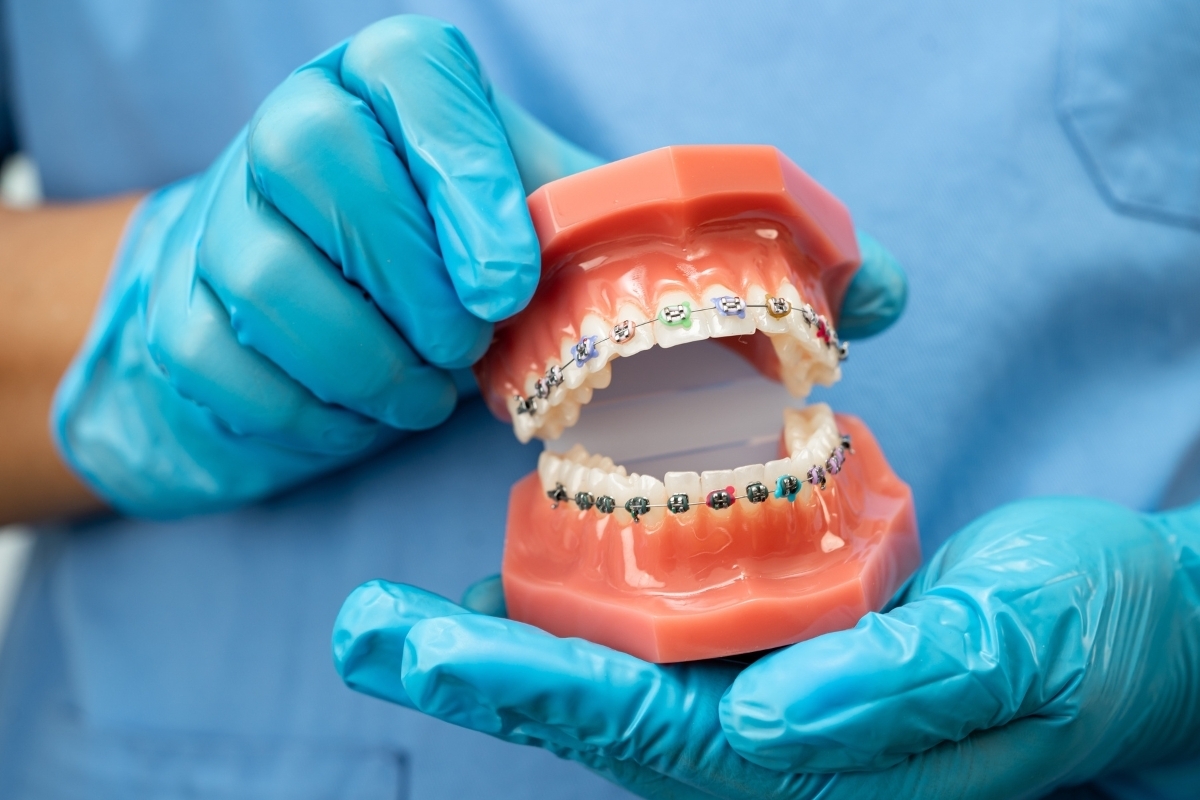
- Braces to gradually move teeth into proper alignment
- Elastics (rubber bands) to guide bite correction
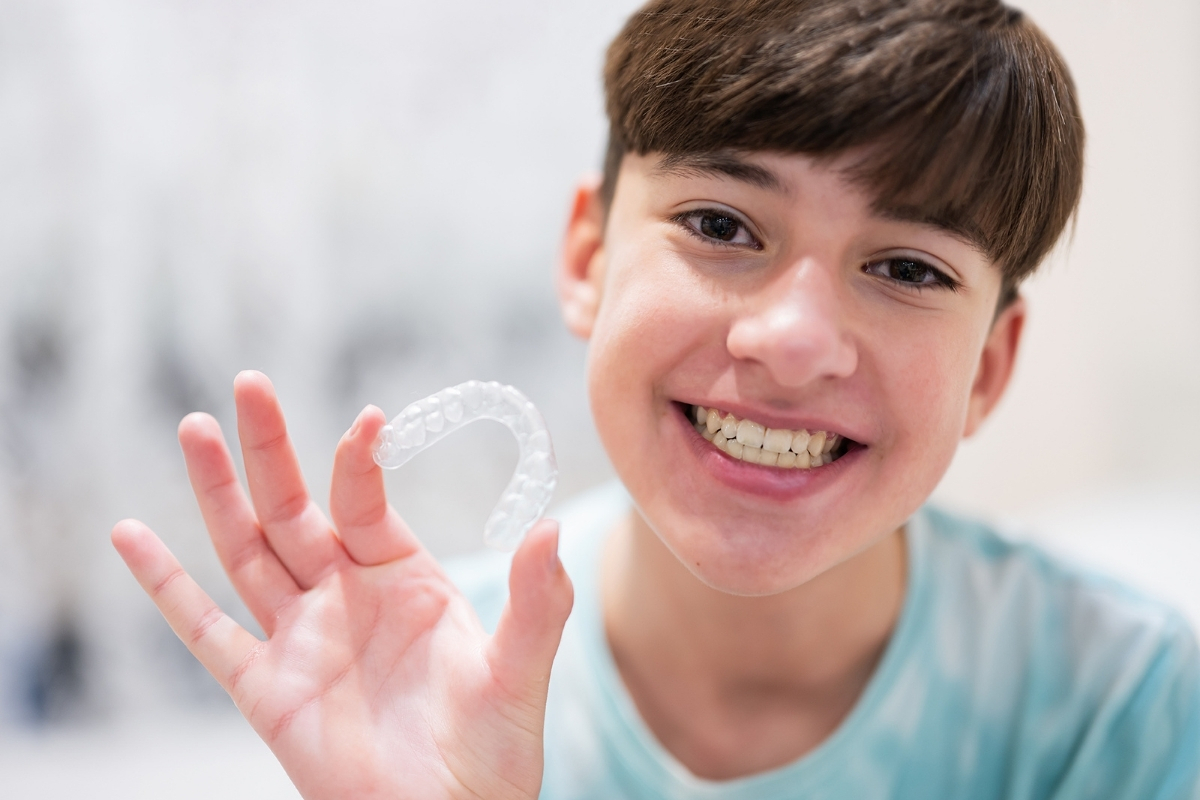
- Clear aligners for mild to moderate cases
- Surgical orthodontics in severe skeletal cases
Among these, braces remain one of the most reliable and predictable solutions, especially when customized for your specific bite. In some cases, a combination of treatments may be recommended to achieve the best long-term stability and function.
How Braces Help Correct an Open Bite
Braces work by applying controlled pressure to move teeth into their correct positions over time. For open bite cases, they help:
- Close the gap between upper and lower teeth
- Improve overall bite alignment
- Enhance facial balance and symmetry
They may also use elastics or specialized archwires to guide the jaw into a more functional position, improving how your teeth come together when you bite and chew. Consistent wear and follow-up visits play a key role in achieving stable, long-lasting results.
Treatment plans are always personalized, which is why exploring orthodontic care for all ages is an important step in finding the right approach for your needs.
What to Expect During Treatment
Starting treatment can feel like a big step, but knowing what to expect makes it easier.
Here’s a simple breakdown:
- Initial consultation:
Your orthodontist evaluates your bite and recommends a personalized plan. Digital scans or X-rays may be taken to get a detailed view of your teeth and jaw structure. - Placement of braces:
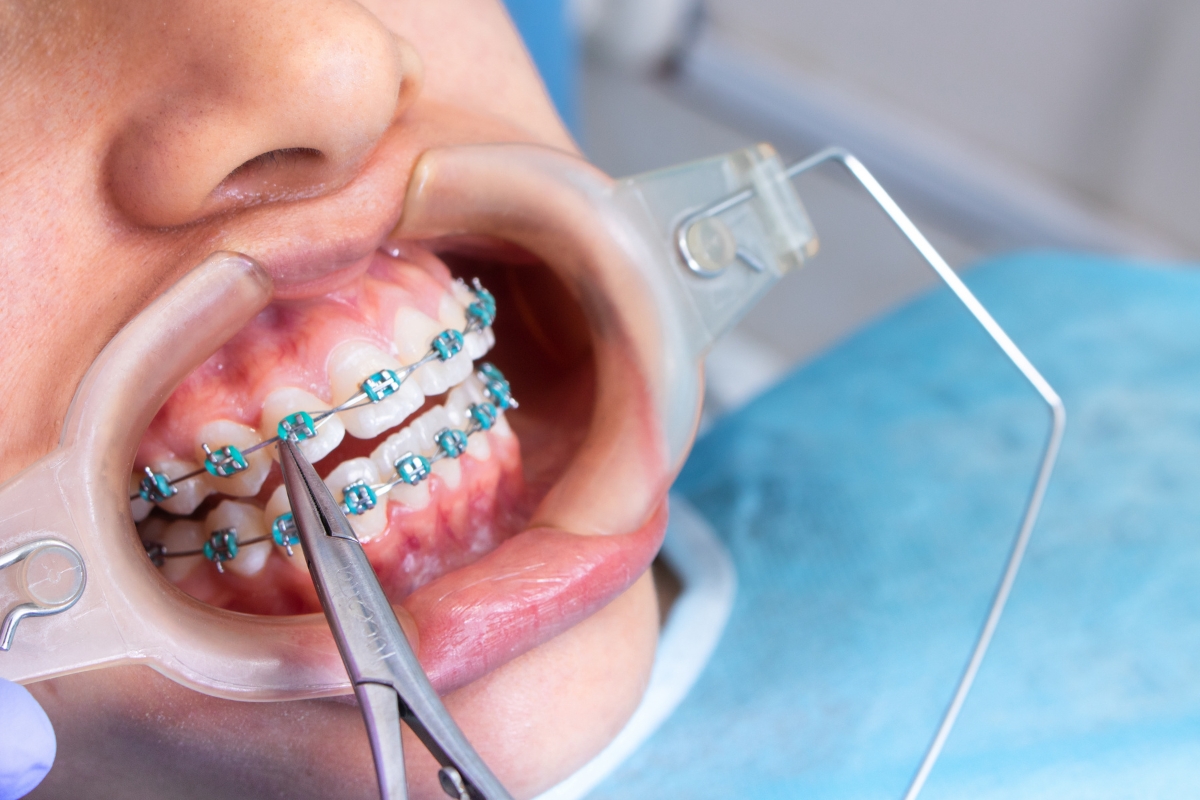
Brackets and wires are applied to guide tooth movement. This process is typically painless and completed in a single visit, with instructions provided for proper care at home. - Regular adjustments:
Routine checkups allow your orthodontist to monitor your progress and make any necessary adjustments along the way. These visits help ensure your teeth are moving as planned and allow for timely modifications if needed. - Retention phase:
Retainers help maintain your results after treatment. Wearing your retainer as instructed is essential to prevent teeth from gradually shifting back over time.
If you’re considering treatment locally in the Middlebury area, contact us to begin your journey with confidence.
Is Open Bite Treatment Right for You?
Open bite correction isn’t just for teens—adults can benefit too. The key factors include:
- The type of open bite (anterior or posterior)
- The severity of the misalignment
- Your overall oral health
With today’s advanced techniques, treatment is more comfortable and efficient than ever.
Take the First Step Toward a Better Bite
Living with an open bite can be frustrating, but it’s also highly treatable. With the right approach and expert guidance, you can achieve a healthier, properly aligned smile.
Take the first step today by reaching out to Rick Burns Orthodontics. You can schedule your consultation and explore a treatment plan designed just for you.
FAQs About Open Bite Treatment
1. Can braces fix an open bite completely?
Yes, braces can effectively correct most open bite cases by gradually aligning teeth and improving jaw positioning. Severe cases may require additional treatments like surgery for full correction.
2. How long does it typically take to correct an open bite?
Treatment time varies depending on severity, but most cases take between 12 to 24 months. Consistency with appointments and instructions helps ensure the best results.
3. Is open bite treatment painful?
Some mild soreness is common after adjustments, but it usually fades within a few days as your mouth adapts. Most patients adapt quickly, and modern orthodontic techniques are designed to be more comfortable than ever.
4. Can adults get braces for open bite?
Absolutely. Adults can successfully treat open bites with braces or aligners. Age is not a barrier, as long as your teeth and gums are healthy.
5. What happens if an open bite is not treated?
Leaving an open bite untreated can lead to chewing difficulties, speech issues, and uneven tooth wear. Over time, it may also contribute to jaw discomfort or more complex dental problems.