Pay Now

Overbite vs Underbite Explained: A Complete Guide for Middlebury, IN Patients

Taking care of your smile supports clear speech, comfortable chewing, and long-term oral health. Sometimes, bite issues develop gradually and might seem minor at first, such as uneven teeth, jaw tension, or difficulty biting into food. Many people don’t realize that these signs could be connected to jaw alignment issues. However, catching them early can make a big difference for your comfort and health.
Two of the most common bite concerns are overbite and underbite conditions. While both affect how the upper and lower teeth fit together, they create very different challenges. Some cases stay mild for years. Others worsen with time and affect confidence, comfort, and function. Bite alignment issues can make those simple moments feel uncomfortable over time. Patients in Middlebury considering braces can learn more about the treatment with a professional evaluation. At Rick Burns Orthodontics, we help patients understand these concerns through personalized orthodontic care designed around each smile.
What Causes an Overbite?
An overbite happens when the upper front teeth extend too far over the lower teeth. A slight overlap is normal. Problems begin when the overlap becomes excessive and affects function or appearance. Some people develop this condition because of genetics. Others develop it through habits during childhood. Thumb sucking, prolonged pacifier use, or tongue thrusting may influence jaw growth over time. Many patients with overbite teeth notice symptoms such as:
- Jaw soreness
- Tooth wear
- Speech changes
- Difficulty biting food
- Lip strain when resting the mouth
The American Association of Orthodontists states that bite alignment issues can also increase uneven pressure on teeth over time.
What Causes an Underbite?
An underbite occurs when the lower jaw extends beyond the upper jaw. This creates a forward appearance in the chin and lower teeth. Jaw growth patterns usually cause this issue. Some children inherit jaw positioning from family members. In other situations, mouth breathing or developmental concerns may contribute to the condition. People with underbite teeth may struggle with:
- Chewing certain foods
- Jaw clicking
- Speech concerns
- Facial imbalance
- Faster tooth wear
Severe cases sometimes affect confidence during social interactions.
How Bite Problems Affect Daily Life?
There are many ways in which misalignment can affect you, and here they are:
Eating Becomes More Difficult
Misaligned bites change how teeth contact each other. This creates uneven force during chewing. Crunchy foods, sandwiches, pizza crust, and meats may become harder to bite comfortably. Some people shift chewing to one side without realizing it. Patients with jaw alignment problems often notice discomfort while chewing firmer foods during family meals and seasonal gatherings.
Jaw Stress Builds Over Time
The jaw joints work constantly throughout the day. Bite imbalance forces these joints to work harder. This added stress may contribute to:
- Headaches
- Jaw fatigue
- Clicking sounds
- Morning soreness
- Teeth grinding
The National Institute of Dental and Craniofacial Research notes that jaw discomfort often connects to bite function and muscle strain.
Confidence Can Change
Many people feel self-conscious about jaw alignment. Smiling in photos or speaking in public may become uncomfortable. Teenagers and adults often seek orthodontic care because they feel their bite changes the balance of their face. Addressing alignment can improve both function and confidence.
Can Braces Correct Both Conditions?
Yes, it can, this is how:
Treatment Depends on Severity
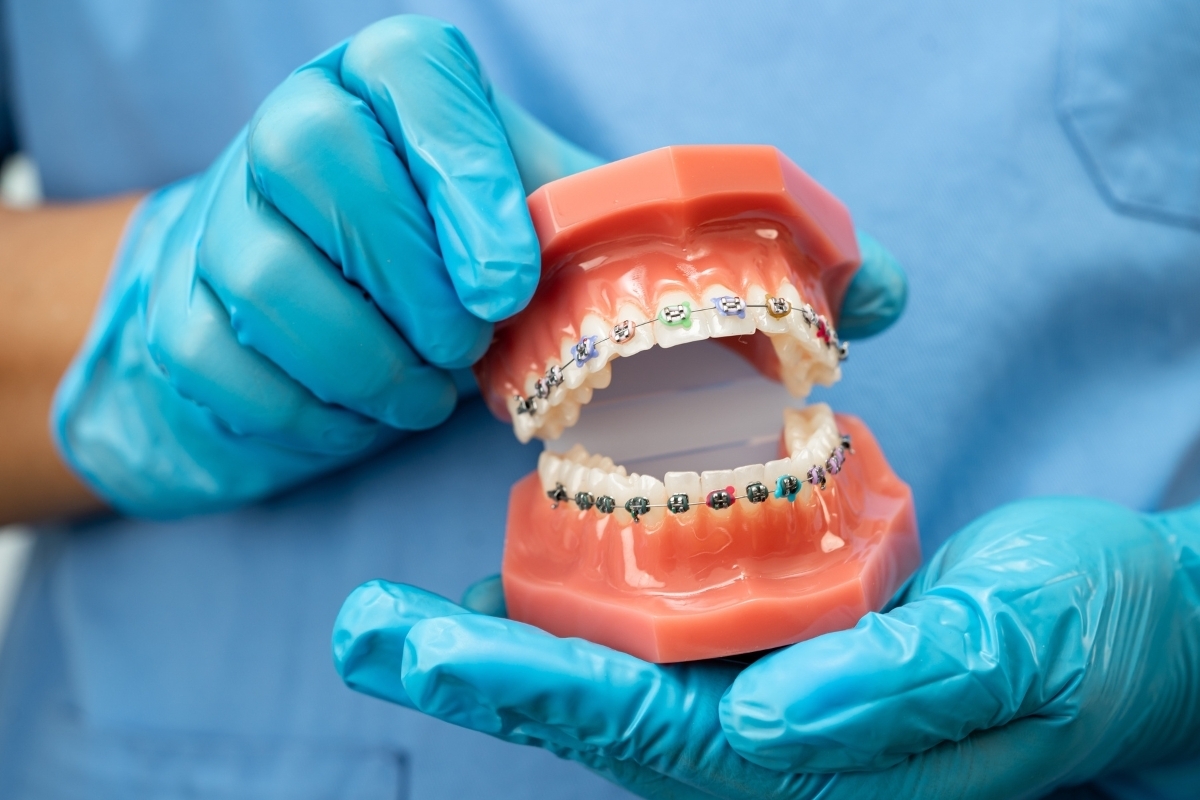
Orthodontic treatment plans vary based on age, jaw growth, and bite position. Some patients need shorter correction periods. Others need more advanced planning. For mild to moderate cases, braces often guide teeth into healthier alignment gradually. More complex concerns may require additional orthodontic techniques. Patients exploring braces for overbite correction often learn that timing matters. Early evaluation in the Middlebury orthodontic office may help guide jaw development during childhood and adolescence.
Clear Aligners and Other Orthodontic Options
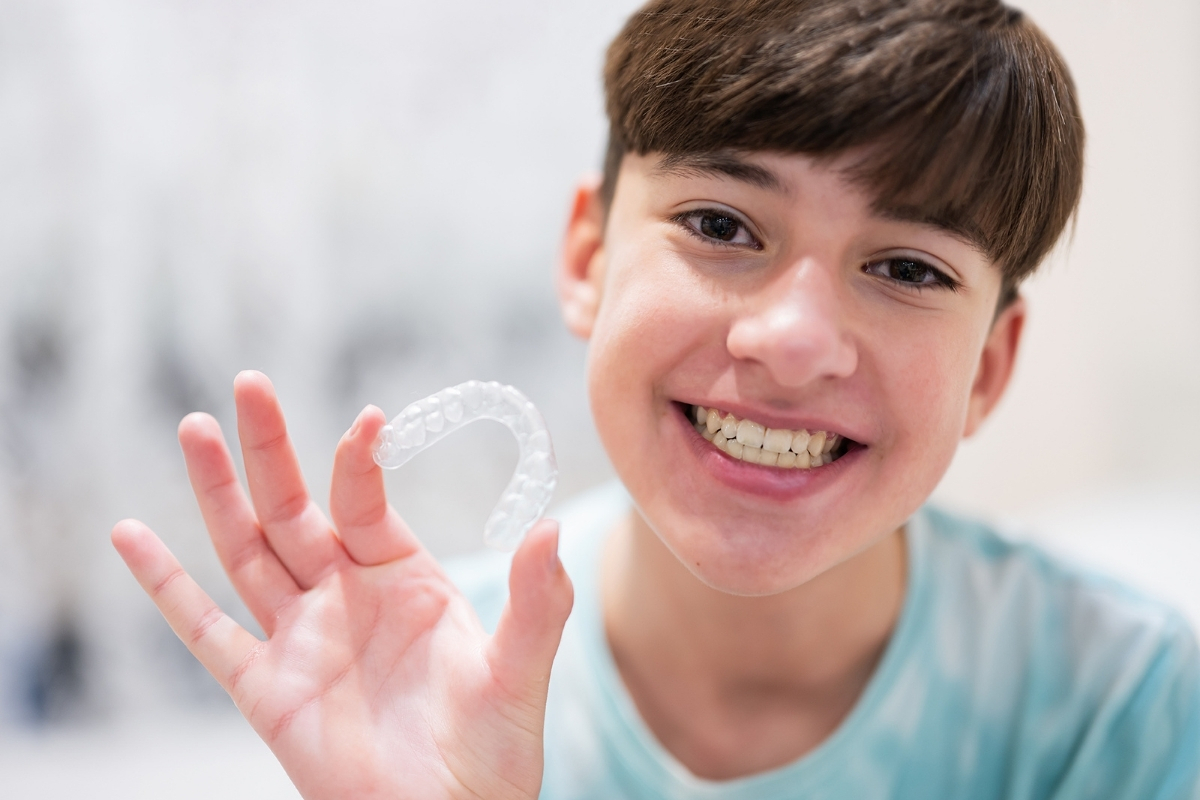
Some patients qualify for clear aligner treatment depending on the complexity of the bite issue. Orthodontists evaluate jaw structure, spacing, and tooth movement before recommending options. Dental clinics offer treatment plans based on individual needs rather than one approach for every patient.
Early Care Can Prevent Bigger Problems
Early visits help identify jaw growth concerns before they become more severe. This does not always mean treatment begins immediately. Monitoring development allows orthodontic practitioners to recommend ideal timing if correction becomes necessary later. Early bite concerns sometimes become easier to notice during conversations, smiles, and school activities.
What Signs Should Patients Watch For?
These are the signs you should look for:
Changes in Speech or Pronunciation
Certain bite issues affect tongue placement and airflow. This may change how specific sounds form during speech. Parents sometimes notice lisping or pronunciation concerns first. Adults may also feel their speech sounds strained during longer conversations.
Teeth Wear Faster Than Expected
Misaligned teeth can sometimes cause extra stress on certain teeth, which might lead to flattening, chipping, or gradual enamel wear. Additionally, teeth grinding can make these problems even more challenging.
Facial Tension and Headaches
Jaw muscles compensate constantly when bites do not align properly. This muscle strain sometimes spreads into the temples and neck. Patients with persistent jaw soreness should consider orthodontic evaluations to determine whether alignment contributes to the discomfort.
Crowding Often Appears Alongside Bite Problems
Many patients with bite concerns also experience spacing or crowding issues. Teeth may rotate or overlap because of limited room inside the mouth. Some patients needing underbite teeth braces also require alignment correction for crowded teeth and jaw positioning simultaneously.
Building a Healthier Smile Starts with the Right Guidance
Bite alignment problems rarely improve without professional evaluation. Overbites and underbites may slowly affect comfort, confidence, jaw function, and oral health over time. Addressing concerns early often creates simpler treatment opportunities and healthier long-term results. Many people do not always recognize how much bite alignment influences daily life until treatment begins improving comfort and function.
Rick Burns Orthodontics helps children, teens, and adults understand their treatment options through personalized orthodontic care. Whether concerns involve crowding, jaw alignment, or bite correction, our team focuses on creating healthier, more balanced smiles at every stage of life. So schedule a consultation with our orthodontist today.
FAQs
Can jaw alignment issues worsen with age?
Yes. Bite concerns may gradually place more stress on teeth and jaw joints over time. Changes in tooth wear, jaw tension, and shifting alignment can become more noticeable during adulthood without orthodontic monitoring.
Do bite problems always cause pain?
Not always. Some people experience no discomfort for years. Others notice headaches, jaw clicking, chewing difficulty, or muscle fatigue. Symptoms often depend on severity, jaw structure, and daily habits such as grinding or clenching.
Can children outgrow bite alignment concerns naturally?
Some mild alignment changes improve as children grow. More significant jaw differences usually need professional monitoring. Early evaluations help determine whether growth patterns may create future functional or cosmetic concerns later.
Are clear aligners suitable for severe jaw alignment concerns?
Certain mild or moderate cases respond well to aligners. More complex jaw positioning issues sometimes require traditional orthodontic appliances for greater control. Treatment recommendations depend on bite structure and tooth movement goals.
Does improper alignment affect speech?
Yes. Jaw positioning and tooth placement can influence tongue movement and airflow during speech. Some patients develop pronunciation difficulties or lisps because of bite imbalance and tooth positioning patterns.
Can orthodontic treatment improve facial balance?
Correcting alignment may improve facial symmetry and jaw appearance in many cases. Treatment focuses primarily on function and bite balance, but facial proportions often improve naturally as alignment changes during care.