Pay Now

Crooked Teeth Explained: Causes, Risk Factors & How to Prevent Them
A crooked smile usually does not happen overnight. For many people, the changes begin quietly. One tooth starts overlapping another. Floss becomes harder to slide between certain teeth. Brushing takes longer because some areas feel impossible to clean properly. Over time, those small changes can affect oral health, bite function, and confidence.
According to the Centers for Disease Control and Prevention (CDC), untreated oral health concerns continue to affect millions of Americans every year. Alignment problems often make daily oral hygiene more difficult, which can increase plaque buildup, gum irritation, and enamel wear when left untreated.
In communities throughout Elkhart and nearby areas, patients often notice alignment concerns while going about everyday life. It may become obvious during conversations over a slice from Bruno’s Pizza, while smiling in photos at the Elkhart Jazz Festival, or even while eating foods that suddenly feel harder to chew comfortably. These everyday moments are often what push people to finally ask whether their bite alignment is changing.
At Rick Burns Orthodontics, patients receive orthodontic guidance based on years of experience treating bite and alignment concerns in children, teens, and adults. During consultations, Dr. Rick Burns carefully evaluates jaw spacing, bite balance, and tooth positioning to identify factors that may be contributing to tooth shifting or crowding. If you have started noticing alignment changes, scheduling an orthodontic evaluation early may help prevent more advanced concerns later.
Why Teeth Become Crooked
Tooth alignment depends on several factors working together correctly. The jaw must have enough room for incoming teeth, the bite should develop evenly, and oral habits should not interfere with natural growth.
When one of those factors changes, teeth may gradually shift out of alignment.
Some people develop crooked teeth during childhood because of jaw development patterns. Others notice alignment changes much later due to aging, grinding, gum recession, or missing teeth. In many situations, patients do not realize their teeth are moving until brushing, flossing, or chewing becomes more difficult.
Genetics Often Influences Tooth Alignment
Genetics plays a major role in the way teeth and jaws develop.
Some people inherit smaller jaws but larger teeth. That combination can create spacing problems where teeth compete for room and begin overlapping. Others inherit bite irregularities involving the upper and lower jaws, which affect how teeth fit together during speaking and chewing.
Patients who had parents with orthodontic concerns are often more likely to develop similar alignment issues themselves.
Childhood Habits Can Affect Jaw Development
Several childhood habits may influence how the jaws and teeth develop over time.
These include:
- Thumb sucking beyond early childhood
- Prolonged pacifier use
- Mouth breathing
- Tongue thrusting
- Frequent nail biting
When these habits continue for long periods, they can place repeated pressure on developing teeth and supporting structures.
Over time, this pressure may affect jaw growth patterns and tooth positioning.
Limited Space is Among the Most Frequent Issues.
Orthodontists frequently see alignment concerns caused by insufficient space inside the mouth.
When the jaw cannot comfortably accommodate erupting teeth, teeth may rotate, overlap, or erupt outside their ideal position. This is especially common with crowded bottom teeth, where the lower front teeth begin twisting or stacking unevenly because the lower jaw naturally has less available space.
Crowding is not simply a cosmetic concern. Tight spaces between teeth often trap plaque and food debris more easily, making daily cleaning more difficult.
Understanding What Causes Teeth to Shift Later in Life
Many adults assume crooked teeth only develop during childhood. In reality, tooth movement can continue throughout adulthood.
Several factors may contribute to gradual shifting, including:
- Teeth grinding during sleep
- Gum recession and bone loss
- Missing teeth
- Aging-related bite changes
- Inconsistent retainer use after orthodontic treatment
Patients researching crooked teeth causes are often surprised to learn how small bite changes can slowly influence neighboring teeth over time.
Even mild pressure placed on teeth repeatedly can eventually affect alignment.
Bite Problems Affect More Than Appearance
Many people associate crooked teeth only with smile aesthetics. However, bite alignment can affect daily oral function as well.
When teeth do not fit together properly, uneven pressure may develop across the teeth, jaw joints, and surrounding muscles.
This can sometimes contribute to:
- Jaw soreness
- Uneven tooth wear
- Difficulty chewing certain foods
- Frequent cheek biting
- Food trapping between teeth
- Increased plaque retention
Whether someone is enjoying local comfort foods downtown or eating popcorn during events near Island Park, proper bite alignment plays an important role in comfortable chewing.
Why Early Orthodontic Evaluations Matter
Orthodontic concerns are often easier to manage when identified early.
Monitoring jaw development during childhood allows orthodontists to identify spacing concerns, bite irregularities, and eruption problems before they become more severe.
Early orthodontic evaluations may help:
- Monitor incoming permanent teeth
- Identify developing bite concerns
- Evaluate jaw growth patterns
- Reduce worsening crowding
- Guide proper tooth eruption
The American Association of Orthodontists recommends that children receive an orthodontic evaluation around age seven because many alignment concerns become easier to manage while the jaws are still developing.
Signs Your Teeth May Be Shifting
Some alignment changes happen gradually enough that patients overlook them for years.
Common warning signs may include:
- Difficulty flossing between teeth
- Teeth appear more overlapped than before
- Jaw fatigue while chewing
- Uneven tooth edges
- Frequent food trapping
- Changes in bite comfort
- Increased crowding near the lower front teeth
Patients often dismiss these changes because they may not cause immediate discomfort. However, tooth movement typically progresses over time without orthodontic monitoring.
Modern Orthodontic Treatment Options
Many adults delay orthodontic care because they still picture bulky orthodontic appliances from decades ago.
Modern orthodontic treatment is far more comfortable and discreet than many patients expect.
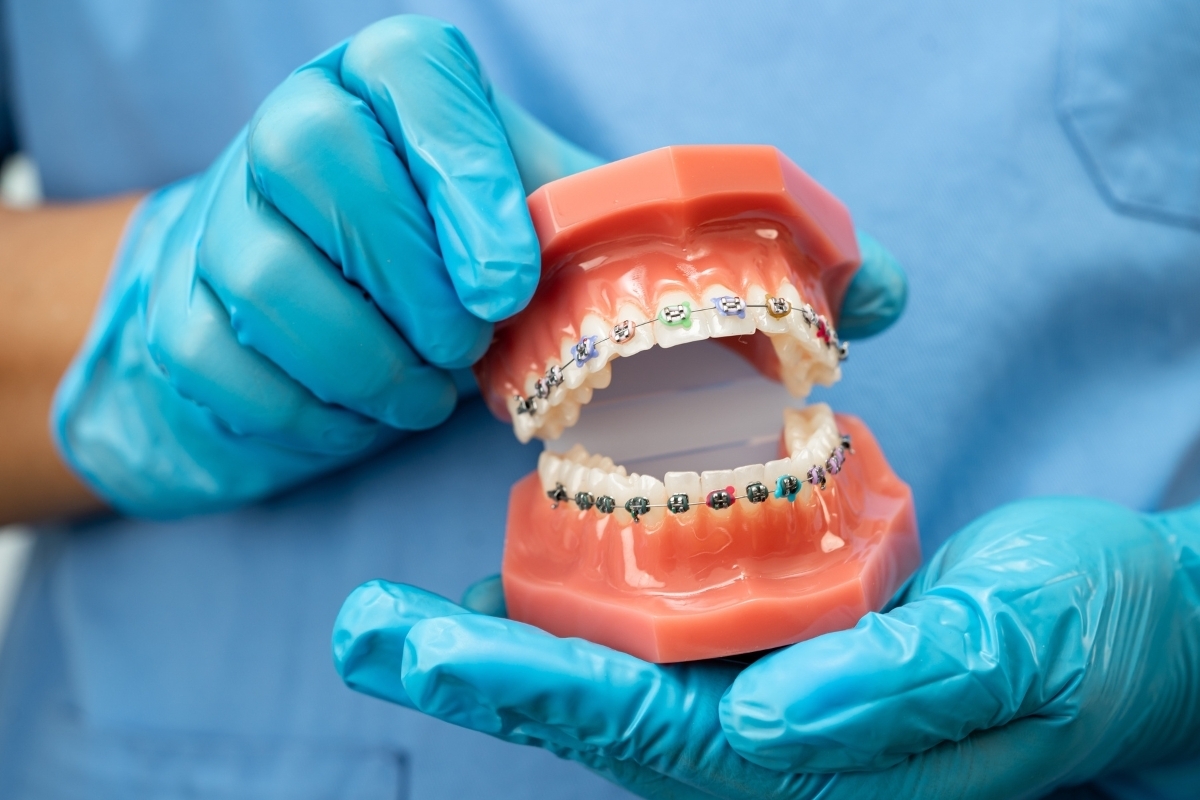
At Rick Burns Orthodontics, treatment options highlighted throughout the practice include:
- Invisalign®
- Invisalign Teen®
- Inspire ICE™ braces
- Palatal expanders
- Herbst appliances
Each recommendation depends on the patient’s bite condition, age, jaw development, and alignment goals.
What Causes Crooked Teeth to Worsen Over Time?
Patients often ask what causes crooked teeth to become more severe with age.
In many cases, worsening alignment happens because pressure inside the mouth constantly changes over time. Teeth naturally respond to pressure from chewing, grinding, jaw movement, and surrounding structures.
When spacing problems already exist, those ongoing forces may gradually increase crowding and bite imbalance.
The Best Time to Address Alignment Concerns
There is no single perfect age for orthodontic care.
Children benefit because jaw growth can still be guided during development. Teenagers often respond efficiently because permanent teeth are already established while growth continues.
Adults also achieve excellent orthodontic results, especially when treatment begins before severe crowding or bite complications develop.
The most important factor is seeking evaluation before alignment concerns worsen further.
Protecting Long-Term Oral Health Starts Early
Patients often search for the best way to fix crooked teeth, but prevention and early evaluation matter just as much as treatment.
Routine dental visits, proper oral hygiene, monitoring childhood habits, and timely orthodontic evaluations all help support healthier alignment over time.
When teeth are properly aligned, they are generally easier to clean, function more efficiently during chewing, and place less strain on surrounding structures.
Healthy Smiles Begin With Early Attention
Crooked teeth rarely improve without professional orthodontic guidance. In many cases, alignment problems gradually worsen as years pass.
Whether you recently noticed shifting teeth or have been concerned about crowding for years, an orthodontic evaluation can provide valuable clarity about your smile and bite health.
At Rick Burns Orthodontics, patients throughout Elkhart and surrounding communities receive orthodontic care focused on long-term function, comfort, and smile stability. If your teeth feel harder to clean, more crowded, or less balanced than before, scheduling a consultation now may help prevent more advanced orthodontic concerns later.
FAQs
Can crooked teeth affect gum health?
Yes. Teeth that overlap tightly are often harder to clean properly. Plaque buildup around crowded areas may increase the risk of gum irritation and inflammation over time.
Why do lower front teeth become crowded first?
The lower jaw naturally has less available space for teeth. As teeth shift with age and pressure changes, crowding often becomes noticeable there first.
Are crooked teeth only a cosmetic issue?
No. Misaligned teeth may also affect bite function, chewing comfort, and oral hygiene. Some patients experience uneven tooth wear or jaw strain as alignment worsens.
At what age should children see an orthodontist?
Many orthodontists recommend evaluations around age seven. Early monitoring helps identify developing spacing or bite concerns before they become more complicated later.
Can adults still straighten crooked teeth?
Yes. Adults commonly pursue orthodontic treatment after noticing shifting teeth or crowding. Modern treatment options allow many adults to improve alignment comfortably.
Why do teeth shift after orthodontic treatment?
Teeth naturally move throughout life because of pressure changes inside the mouth. Consistent retainer use helps maintain orthodontic results long-term.
Does mouth breathing affect tooth alignment?
Yes. Chronic mouth breathing during childhood may influence jaw growth and facial development. Over time, this can contribute to bite and spacing concerns.