Pay Now

5 Common Invisalign Care Mistakes and How to Avoid Them
Opting for Invisalign is an exciting move toward achieving a healthier and more confident smile. The treatment offers a level of flexibility that many patients appreciate, especially compared to traditional braces. However, achieving the desired results requires more than simply receiving a series of aligners. Daily habits play a major role in how efficiently treatment progresses and how well the aligners perform.
Many patients are surprised to learn that small mistakes can have a significant impact on their treatment timeline. Something as simple as leaving aligners out for a few extra hours each day or neglecting proper cleaning can affect progress over time. Understanding these common issues can help patients protect their investment and achieve better outcomes.
At Rick Burns Orthodontics, this teeth-alignment treatment is available to both teens and adults seeking a discreet and effective way to straighten their teeth. Drawing on years of orthodontic experience, Dr. Rick Burns regularly helps patients avoid the everyday mistakes that can interfere with treatment success. The information in this guide reflects the same advice shared with patients during their visits. If you have questions about your treatment, visit our dental office or book an appointment for personalized guidance.
The Small Habits That Make the Biggest Difference
Many treatment delays happen because of routine mistakes rather than complex orthodontic problems. Knowing what to avoid can help keep treatment moving efficiently from start to finish.
Orthodontists frequently notice the same patterns when patients experience slower progress. The issue is rarely the aligner itself. More often, it involves wear time, cleaning habits, storage mistakes, or lapses in oral hygiene.
For example, some patients remove their aligners for their morning coffee and forget to put them back in until lunch. Others accidentally throw them away after wrapping them in a napkin during a meal. Teenagers may leave trays behind after practice or a weekend event. These situations are common, but they are also easy to avoid once patients understand their impact.
Here are five of the most common mistakes and the best ways to prevent them.
Mistake #1: Not Wearing Aligners Long Enough Each Day
These clear aligners must be worn for most of the day to move teeth effectively. Inadequate wear time is one of the most common reasons treatment takes longer than expected.
Many patients underestimate how quickly aligner-free time adds up. Removing aligners for meals, coffee, snacks, and social gatherings can easily reduce the amount of daily wear below the recommended level.
Even a few missed hours each day can affect how teeth respond to treatment. When this happens repeatedly, future aligners may not fit as intended.
How to Avoid It
- Wear aligners for 20 to 22 hours daily.
- Remove them only for eating and drinking anything other than water.
- Put them back in immediately after meals.
- Use a smartphone reminder if necessary.
- Track wear time during the first few weeks of treatment.
Following proper Invisalign wear instructions helps ensure every aligner performs its intended movement.
Mistake #2: Eating or Drinking While Wearing Aligners
Food and beverages can damage aligners, stain them, and increase the risk of oral health problems.
One of the biggest advantages of this procedure is that patients can remove the aligners before eating. Unfortunately, some patients attempt to save time by eating with them in place.
Hot beverages can warp the plastic. Coffee, tea, and dark-colored drinks can cause noticeable staining. Sugary beverages can become trapped between the aligners and teeth, creating an environment where bacteria thrive.
How to Avoid It
- Remove aligners before meals.
- Take them out before drinking coffee, tea, soda, or sports drinks.
- Rinse your mouth after eating if brushing is not immediately possible.
- Reinsert aligners as soon as practical after meals.
Patients who enjoy local favorites at community gatherings often find that carrying a travel toothbrush makes aligner care much easier throughout the day.
Mistake #3: Neglecting Your Aligner Cleaning Routine
Dirty aligners can collect bacteria, plaque, and odor-causing debris. Proper cleaning keeps aligners clear and supports better oral health.
Many patients brush their teeth consistently but forget that aligners also require daily attention. Over time, aligners can develop buildup that affects both appearance and hygiene.
A common mistake involves cleaning aligners with hot water. While it may seem harmless, heat can distort the plastic and affect the fit.
How to Avoid It
Establish a simple and consistent cleaning routine.
Daily Cleaning Checklist:
- Rinse aligners every time they are removed.
- Clean them morning and evening.
- Use a soft toothbrush.
- Avoid abrasive toothpaste.
- Never use hot water.
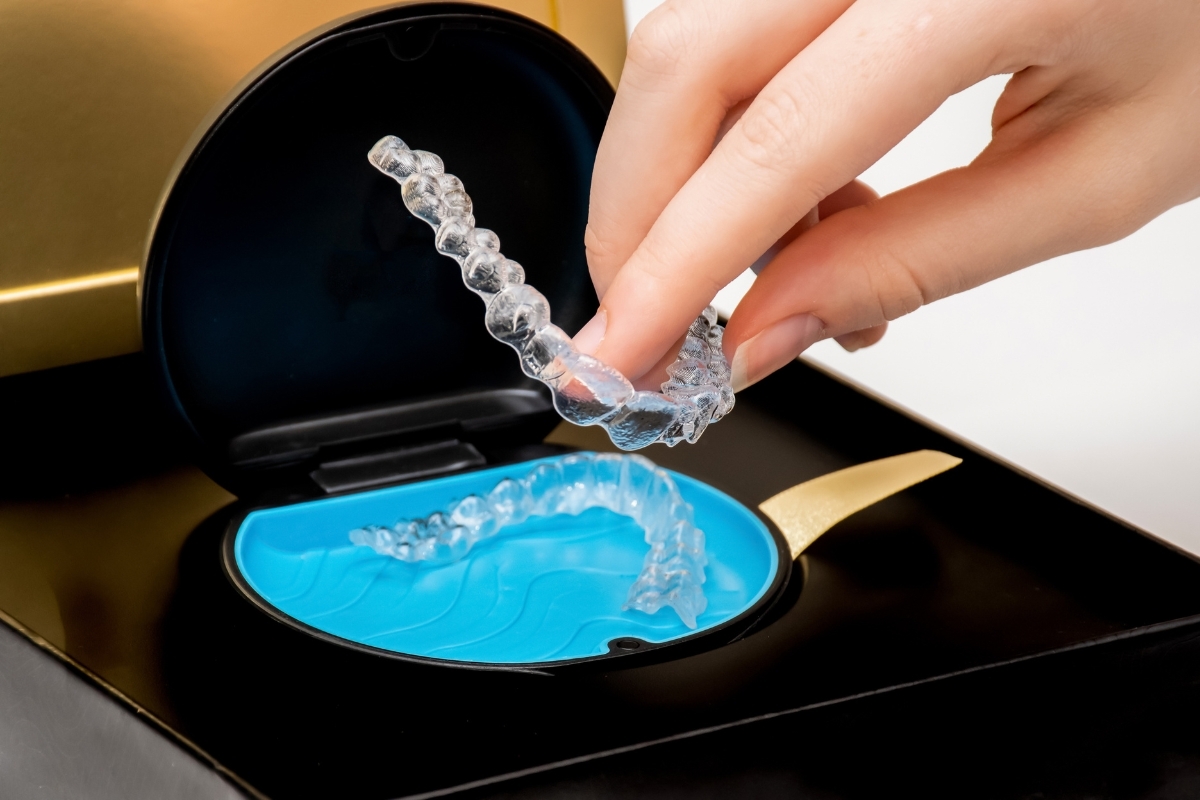
- Store aligners in a clean case when not in use.
Patients who consistently follow these Invisalign care tips often find that their aligners remain clearer and more comfortable throughout treatment.
Mistake #4: Overlooking Oral Hygiene During Treatment
Healthy gums and teeth create the foundation for successful orthodontic treatment. Poor oral hygiene can lead to cavities, inflammation, and treatment complications.
As these trays fit closely against the teeth, they can trap bacteria if brushing and flossing habits are neglected.
This is where Invisalign hygiene becomes particularly important. Plaque left behind after meals may remain against the teeth for extended periods if aligners are reinserted without proper cleaning.
How to Avoid It
- Brush after meals whenever possible.
- Floss at least once each day.
- Rinse before replacing aligners.
- Attend regular dental cleanings.
- Contact your orthodontist if you notice gum irritation.
Proper Invisalign treatment care protects both oral health and treatment progress.
Patients exploring alternatives to traditional braces often compare this treatment with other discreet orthodontic options, including clear aligners Elkhart designed for different treatment needs.
Mistake #5: Losing or Damaging Aligners
Lost or damaged aligners can interrupt treatment and create unnecessary delays.
Orthodontic offices hear the same story regularly. A patient removes their aligners during lunch, wraps them in a napkin, and accidentally throws them away before leaving the table.
Teen patients are especially vulnerable because they frequently remove aligners during school meals, sports activities, and social events.
How to Avoid It
- Always carry your aligner case.
- Never wrap aligners in napkins.
- Keep them away from pets.
- Avoid leaving them in hot vehicles.
- Contact your orthodontist immediately if an aligner is lost.
Simple storage habits can prevent many of the interruptions that delay treatment progress.
Additional Care Tips for Long-Term Success
According to Invisalign, more than 17 million people worldwide have started treatment with Invisalign clear aligners, making it one of the most widely used orthodontic systems available today. Nevertheless, the most successful patients often focus on consistency rather than perfection. Small daily habits create lasting results.
A few practical habits can make treatment easier:
- Keep an extra toothbrush with you.
- Clean aligners every day.
- Follow aligner change schedules closely.
- Attend all orthodontic appointments.
- Ask questions whenever concerns arise.
- Wear retainers as instructed after treatment.
These straightforward Invisalign care tips can help patients maintain steady progress and avoid many common treatment setbacks.
Why this Advanced Treatment Continues to Be a Popular Choice
This treatment offers flexibility, comfort, and convenience for both adults and teens. Its removable design allows treatment to fit naturally into everyday life.
Many patients appreciate the ability to enjoy their favorite foods, participate in activities, and maintain a natural appearance throughout treatment. Whether attending local events, participating in sports, or managing a busy professional schedule, these oral appliances provide an orthodontic solution that works with modern lifestyles rather than against them.
That flexibility is one reason why Invisalign Elkhart continues to be a popular option among patients seeking a discreet approach to orthodontic care.
Keep Your Treatment Moving in the Right Direction
This teeth alignment treatment offers a convenient and effective path to a straighter smile, but success depends on the habits patients build along the way. Wearing aligners consistently, maintaining good oral hygiene, and following professional recommendations can make a significant difference in both comfort and results.
Every smile responds differently to orthodontic treatment. If you have questions about aligner care, treatment progress, or whether this procedure is the right option for you or your teen, schedule a personalized diagnostic evaluation. Visit our dental office or book an appointment with Rick Burns Orthodontics to receive recommendations tailored to your specific orthodontic needs and smile goals.
Frequently Asked Questions
How many hours per day should Invisalign aligners be worn?
Most patients should wear Invisalign aligners for 20 to 22 hours each day. Consistent wear helps ensure teeth move according to the treatment plan.
Can I drink coffee while wearing Invisalign aligners?
No. Hot coffee can slightly distort the aligners, and dark pigments may stain them. Remove aligners before drinking coffee and replace them afterward.
What happens if I forget to wear my aligners for several hours?
Missing several hours occasionally may not create a major problem. Repeated lapses can affect tooth movement and may extend treatment time.
How often should Invisalign aligners be cleaned?
Aligners should be cleaned every morning and evening. Rinsing them throughout the day also helps reduce plaque buildup and odors.
Is Invisalign a good option for teenagers?
Yes. Invisalign Teen is designed specifically for growing patients and can accommodate many of the same orthodontic concerns traditionally treated with braces.
What should I do if my aligner becomes damaged?
Contact your orthodontic office as soon as possible. They can determine whether you should continue wearing the aligner or move to another tray.
Can poor oral hygiene affect Invisalign treatment?
Yes. Plaque buildup, cavities, and gum inflammation can complicate orthodontic treatment. Consistent brushing, flossing, and professional cleanings help support better outcomes.