Pay Now

Can You Get Invisalign After Gum Disease or Bone Loss?
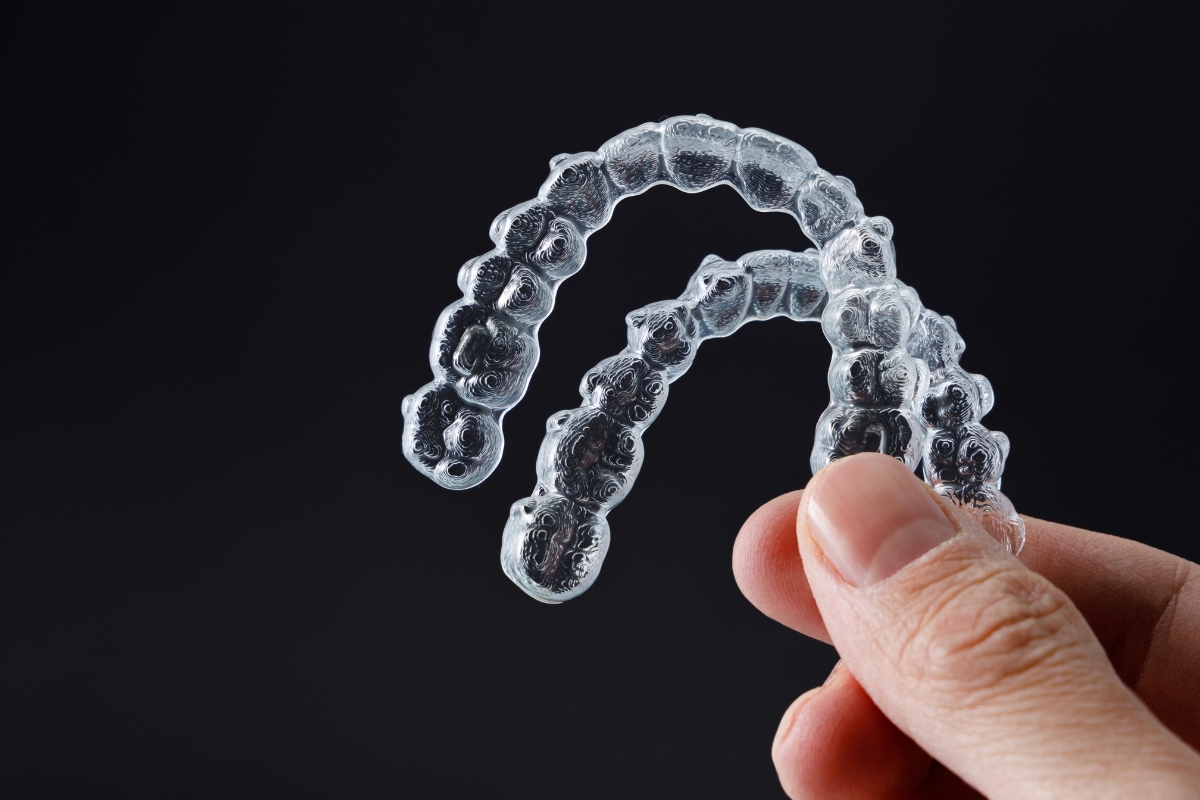
Yes, many people with a history of gum disease or bone loss can still qualify for Invisalign. The determining factors are whether the gum disease is currently under control and whether there is enough healthy bone support to safely move the teeth. A comprehensive orthodontic evaluation is necessary to determine candidacy.
Modern orthodontic treatment has made it possible for many adults with a history of periodontal disease to safely straighten their teeth, provided the underlying condition has been properly managed. The key is understanding the health of the gums and supporting bone before any tooth movement begins.
According to the Centers for Disease Control and Prevention (CDC), nearly half of adults aged 30 years and older in the United States have some form of periodontal disease. That means millions of people may eventually face questions about orthodontic treatment after experiencing gum-related problems.
At Rick Burns Orthodontics, we frequently evaluate adults who are interested in this modern teeth alignment procedure but are concerned about previous gum disease or bone loss. Dr. Rick Burns carefully assesses each patient’s oral health before recommending treatment to ensure tooth movement can be performed safely and predictably. If you’re considering this procedure and have concerns about your periodontal health, visit our dental office for a personalized evaluation and guidance based on your unique needs.
Can You Get Invisalign If You’ve Had Gum Disease?
Yes, a history of gum disease does not automatically prevent you from getting the aligners. What matters most is whether the disease is active or has been successfully treated and stabilized.
Gum disease affects the tissues and bone that support your teeth. During orthodontic treatment, teeth are gradually moved through the jawbone. If active infection is present, moving teeth can accelerate tissue damage and increase the risk of complications.
However, many adults who previously received periodontal treatment can safely pursue orthodontic care once their gums are healthy and stable.
Before recommending treatment, a trusted orthodontist in Elkhart will evaluate:
- Current gum health
- Presence of inflammation or bleeding
- Periodontal pocket depths
- Bone support around the teeth
- Tooth mobility
- Oral hygiene habits
- Overall oral health stability
A previous diagnosis alone is rarely the deciding factor. The current condition of your gums and supporting structures is what matters most.
What Happens When Gum Disease Causes Bone Loss?
Bone loss requires additional planning, but it does not automatically eliminate orthodontic treatment options. Many patients with mild to moderate bone loss can still achieve successful outcomes.
When periodontal disease progresses, bacteria destroy the bone and connective tissues that hold teeth in place. This can lead to gum recession, shifting teeth, bite changes, and even tooth loss if left untreated.
Common signs of previous bone loss include:
- Receding gums
- Teeth appearing longer than before
- Spaces developing between teeth
- Changes in bite alignment
- Increased tooth mobility
Patients often ask about Invisalign with bone loss because they worry their teeth no longer have enough support for movement.
The reality is that bone loss exists on a spectrum. Mild bone loss may have little impact on treatment options, while more advanced bone loss may require a slower and more carefully monitored orthodontic approach. Diagnostic imaging helps determine how much support remains around each tooth and whether movement can be safely achieved.
Can Straightening Teeth Help Protect Gum Health?
In some cases, properly aligned teeth can make it easier to maintain healthy gums over the long term. Straightening teeth is not a treatment for gum disease, but it may support better oral hygiene after periodontal health has been restored.
Many people do not realize that crowded or overlapping teeth can create difficult-to-clean areas where plaque and bacteria accumulate.
These areas may contribute to:
- Increased plaque buildup
- Persistent inflammation
- Difficulty flossing effectively
- Greater risk of future gum disease
Once periodontal disease has been successfully treated, correcting alignment problems may help patients maintain healthier oral hygiene routines.
This is one reason why discussions about Invisalign and gum disease often involve both orthodontic and periodontal considerations. Treatment is not simply about improving appearance. It can also contribute to creating an environment that is easier to keep clean and healthy.
Is this Orthodontic Treatment an Option if You’ve Had Gum Disease That’s Already Been Treated?
In many cases, yes. Successfully treated periodontal disease often allows patients to move forward with orthodontic treatment once their oral health is stable.
One of the most common questions adults ask during a consultation is: “Can I get Invisalign with gum disease if I have already completed treatment for it?”
The answer is often encouraging. Patients who attend regular maintenance appointments, maintain excellent oral hygiene, and show no signs of active infection are frequently considered for orthodontic treatment.
Factors that support candidacy include:
- Healthy gum tissue
- No active periodontal infection
- Stable bone levels
- Good oral hygiene habits
- Consistent periodontal maintenance
Each case is unique, which is why professional evaluation is essential.
How Orthodontists Determine Eligibility
Determining Invisalign eligibility involves evaluating the entire oral environment, not just the alignment of the teeth.
Several important factors influence treatment recommendations.
Bone Support
Digital imaging allows orthodontists to assess how much bone remains around each tooth and whether it can safely support movement.
Gum Health
Healthy gums are essential. Active inflammation or infection must typically be addressed before orthodontic treatment begins.
Tooth Stability
Teeth that are excessively mobile may require additional periodontal treatment before movement can be considered.
Oral Hygiene
Successful treatment depends heavily on patient compliance and oral hygiene habits.
Medical Factors
Certain medical conditions and lifestyle factors can affect periodontal stability and treatment outcomes.
Who May Not Be a Good Candidate for the Procedure?
Some patients may need additional treatment before orthodontic care can begin safely.
Potential concerns include:
- Active periodontal disease
- Significant untreated tooth mobility
- Poor oral hygiene
- Heavy tobacco use
- Uncontrolled diabetes
- Ongoing gum infections
The important distinction is “yet.” Many of these issues can be addressed through appropriate dental and periodontal care, allowing treatment to become possible in the future.
Warning Signs You Should Address Before Starting the Procedure
Certain symptoms may indicate ongoing periodontal issues that should be evaluated before orthodontic treatment begins.
Schedule an evaluation if you experience:
- Bleeding gums
- Persistent bad breath
- Gum recession
- Loose teeth
- Swollen gums
- Pain when chewing
- New spaces between teeth
Addressing these concerns early helps establish a healthier foundation for successful treatment.
A Healthier Smile May Still Be Within Reach
A history of gum disease should not automatically discourage you from exploring orthodontic treatment. Modern diagnostic technology allows orthodontists to evaluate bone support, gum health, and tooth stability with remarkable precision.
Many patients who once believed they were not candidates for clear aligners discover that treatment remains possible after appropriate periodontal care. If you have wondered, “Can I get Invisalign with gum disease?”, the answer depends on your current oral health, not simply your dental history.
At Rick Burns Orthodontics, every orthodontic evaluation is personalized to your needs. If you have experienced gum disease or bone loss and want to understand your options, book an appointment for a comprehensive diagnostic evaluation. Understanding your unique anatomy and oral health status is the best way to determine whether these aligners are right for you.
Frequently Asked Questions
Can Invisalign cause gum disease?
No. Invisalign does not cause gum disease, but poor oral hygiene during treatment can contribute to plaque buildup and inflammation. Proper cleaning habits remain essential.
How much bone loss is too much for Invisalign?
There is no universal threshold. The amount, location, and severity of bone loss must be evaluated individually through clinical examinations and diagnostic imaging.
Can gum recession affect Invisalign treatment?
Yes. Gum recession may indicate previous periodontal damage and can influence treatment planning. Your orthodontist will evaluate whether movement can be performed safely.
Will I need a periodontist before starting Invisalign?
Not always. Patients with a history of significant gum disease or bone loss may benefit from periodontal evaluation before beginning orthodontic treatment.
Is Invisalign safer than braces for people with previous gum disease?
Many patients find Invisalign easier to keep clean because aligners are removable. Better hygiene access may support healthier gums throughout treatment.
How often should gum health be monitored during Invisalign treatment?
Patients with previous periodontal disease often benefit from regular periodontal monitoring. Follow-up visits help ensure the gums and supporting bone remain healthy.
Can older adults with bone loss still qualify for Invisalign?
Yes. Age alone does not determine candidacy. Many adults with stable periodontal health and sufficient bone support successfully complete Invisalign treatment.