Pay Now

Invisalign vs. Braces: Is It Too Late to Straighten Your Smile as an Adult?
Many adults believe orthodontic treatment is only effective during the teenage years. However, that is one of the most common misconceptions about straightening teeth. While the jaw completes most of its growth during adolescence, teeth can continue to move throughout adulthood when gentle, controlled orthodontic forces are applied. If your teeth and gums are healthy, age alone rarely prevents you from achieving a straighter, healthier smile.
Whether you have lived with crooked teeth for years or have noticed your teeth shifting after previous orthodontic treatment, today’s treatment options make it possible to improve both your smile and your oral health.
At Rick Burns Orthodontics, adults from Elkhart and nearby communities frequently seek treatment to correct crowding, spacing, and bite problems while choosing an option that fits their lifestyle.
If you have been wondering whether Invisalign or traditional orthodontic treatment is right for you, understanding how each approach works is the first step toward making an informed decision.
Is It Ever Too Late to Straighten Your Teeth?
Orthodontic treatment is based on the body’s natural ability to remodel bone around the teeth. When consistent pressure is applied, the supporting bone gradually reshapes, allowing teeth to move into healthier positions. This biological process occurs in adults just as in younger patients, although treatment may progress slightly more slowly because adult bone metabolism changes with age.
Before recommending treatment, an orthodontist evaluates several important factors, including:
- The health of your gums and supporting bone
- Existing restorations such as crowns or bridges
- The position of your teeth
- Your bite relationship
- Overall oral health
Healthy gums provide the foundation for successful tooth movement. If periodontal disease or untreated decay is present, these conditions should be addressed before orthodontic treatment begins.
Why More Adults Are Choosing Orthodontic Treatment
Straightening your teeth is about more than improving appearance. Proper alignment allows your teeth to function more efficiently and makes daily oral hygiene easier.
Many adults begin orthodontic treatment to:
- Correct crowded or crooked teeth
- Improve overbites, underbites, and crossbites
- Close unwanted gaps
- Reduce uneven tooth wear
- Make brushing and flossing more effective
- Improve confidence when smiling or speaking
Properly aligned teeth also help distribute biting forces more evenly, which may reduce excessive stress on individual teeth over time.
Invisalign or Braces: Understanding the Difference
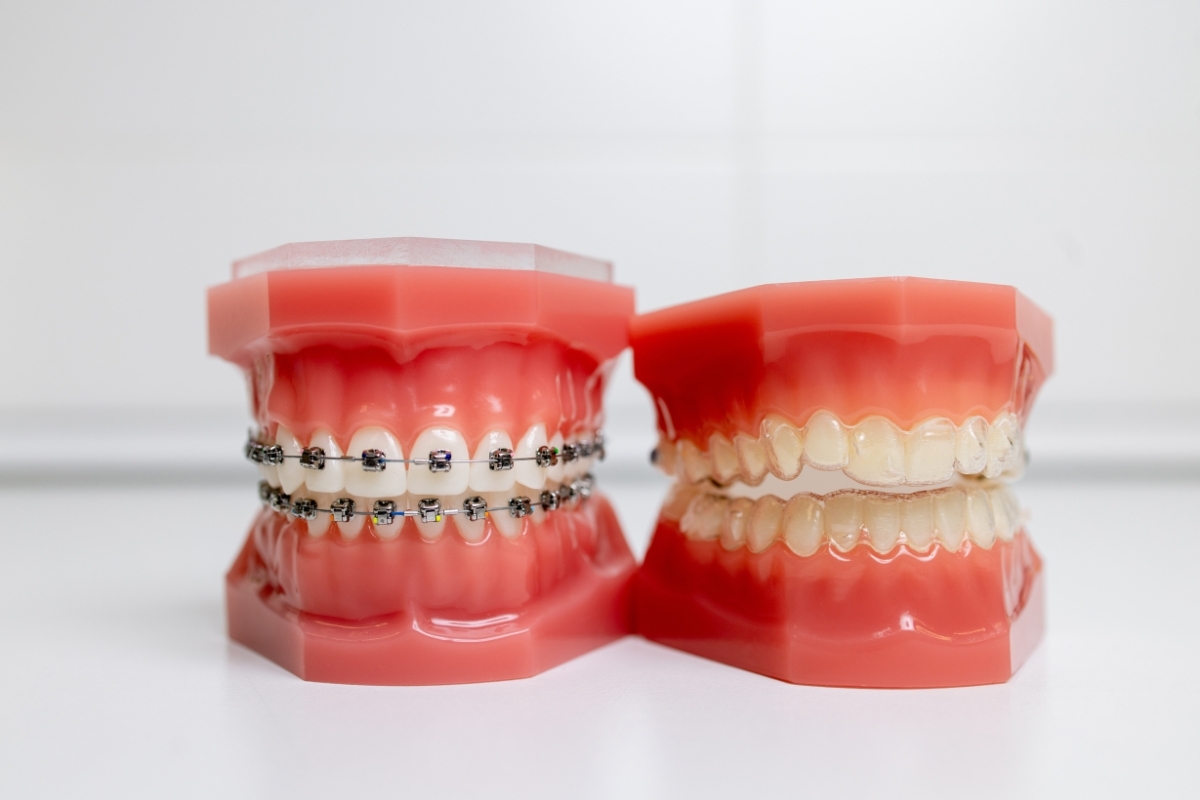
Both Invisalign and braces are designed to move teeth into healthier positions. However, they achieve this in different ways, and one option may be more appropriate depending on the complexity of your orthodontic needs.
The goal is not simply to create straighter teeth. A well-planned orthodontic treatment also improves bite function, supports long-term oral health, and creates a stable result that lasts for years.
When Invisalign May Be the Right Choice
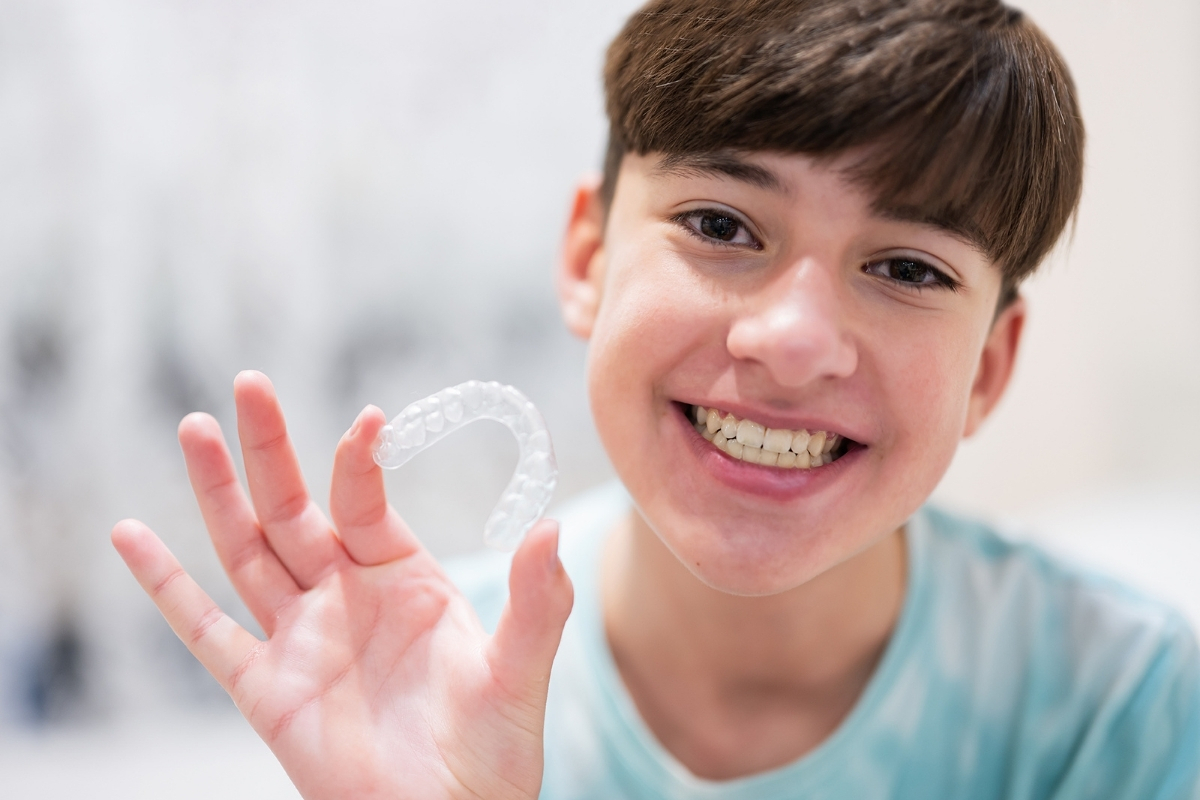
Invisalign uses a series of custom-made aligners that gradually move teeth according to a carefully planned digital treatment sequence. Each new set of Invisalign aligners makes small adjustments until the desired tooth position is achieved.
Many adults prefer Invisalign because these aligners:
- Are nearly invisible when worn
- Can be removed while eating
- Allow normal brushing and flossing
- Eliminate metal brackets and wires
Treatment success depends on consistent wear of the Invisalign aligners. Most patients should wear them for approximately 20 to 22 hours each day to keep treatment progressing as planned.
When Braces May Be the Better Option
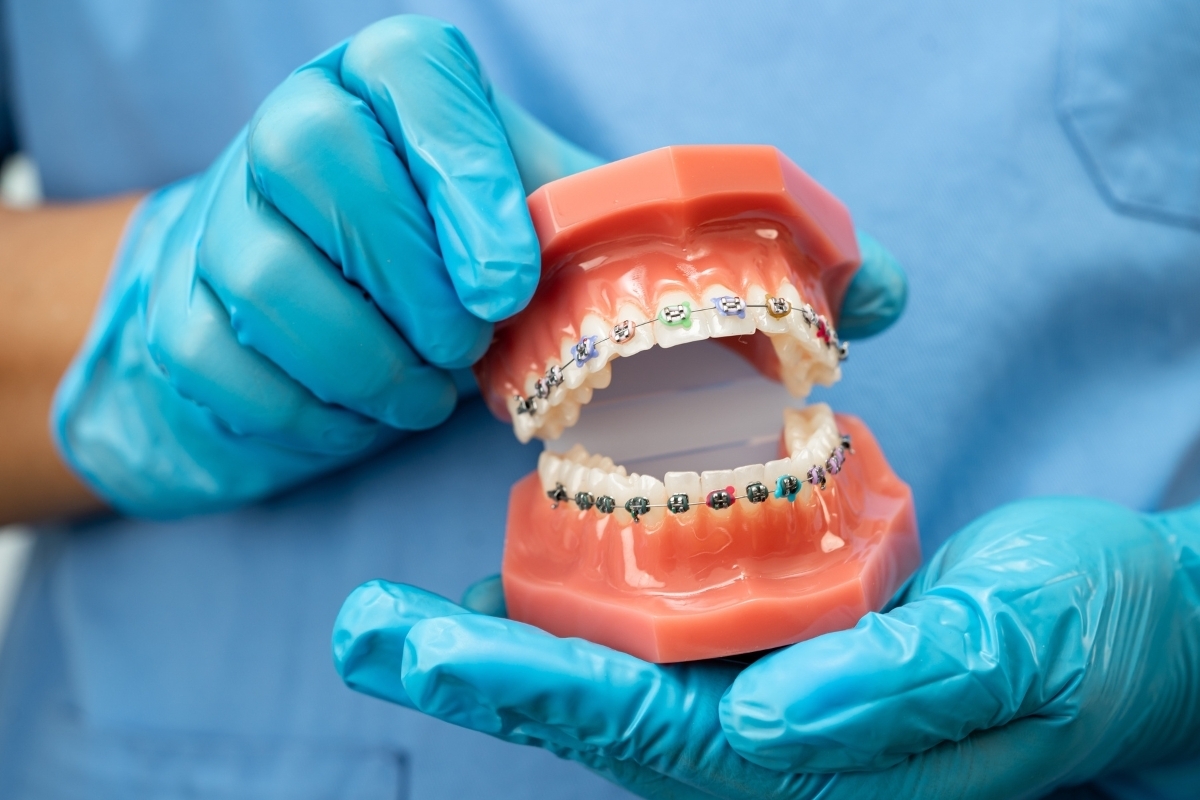
Although removable aligners continue to advance, braces remain an excellent solution for many moderate-to-complex orthodontic cases.
Your orthodontist may recommend braces if you have:
- Significant crowding
- Severe bite discrepancies
- Teeth requiring complex movement
- Rotated teeth
- Larger vertical bite problems
Because braces remain attached to the teeth throughout treatment, they provide continuous orthodontic force without relying on patient compliance.
Treatment Planning Matters More Than the Appliance
Many online articles focus only on appearance, but successful orthodontic treatment begins with a comprehensive diagnosis.
An Invisalign provider in Elkhart evaluates much more than crooked teeth. During your consultation, your orthodontist carefully assesses:
- Digital X-rays
- Bite alignment
- Jaw relationships
- Tooth wear
- Gum health
- Existing dental restorations
After reviewing these findings, Dr. Burns recommends the treatment approach that offers the healthiest, most stable outcome for your individual smile.
Factors That Can Influence Treatment Time
Every smile responds differently to orthodontic treatment. Rather than focusing on whether Invisalign or braces works faster, it is more helpful to understand what influences treatment length.
These factors include:
- The severity of misalignment
- Bite complexity
- Bone response
- Patient cooperation
- Overall oral health
Following your orthodontist’s instructions throughout treatment helps achieve predictable, long-lasting results.
What Many Adults Don’t Consider Before Starting Treatment
Choosing between Invisalign and braces involves more than appearance alone. Long-term success also depends on maintaining healthy gums, correcting bite function, and wearing retainers after treatment.
Orthodontic treatment does not permanently stop teeth from shifting. Natural aging, chewing forces, and daily function continue throughout life, making retainers an essential part of protecting your investment after active treatment ends.
Whether your goal is to improve smile aesthetics or create a healthier bite, a personalized orthodontic evaluation provides the information needed to choose the most appropriate treatment.
Ready to Find the Right Orthodontic Solution?
If you have been delaying treatment because you thought adulthood was too late, now is an excellent time to explore your options. Modern orthodontics offers effective solutions for adults with crooked teeth, crowded teeth, spacing concerns, and bite problems.
If you are looking for an Invisalign provider in Elkhart, the first step is scheduling a comprehensive consultation to determine which treatment is right for your smile. Book an appointment today to receive a complete evaluation and discuss your orthodontic goals.
Take the First Step Toward a Healthier, Straighter Smile
Age should never prevent you from improving your oral health or your confidence. Whether Invisalign, Invisalign aligners, or braces are the right choice depends on your individual needs, not your age.
At Rick Burns Orthodontics, we proudly help adults throughout Elkhart and nearby communities achieve healthier, properly aligned smiles through personalized orthodontic care. If you are searching for an Invisalign provider in Elkhart, our orthodontist will guide you through every step of the process and explain your treatment options clearly. Visit our dental office to begin your smile transformation with confidence.
Frequently Asked Questions
Can adults get orthodontic treatment successfully?
Yes, healthy teeth and gums allow many adults to achieve predictable orthodontic results. A consultation determines the most appropriate treatment based on your oral health and bite.
Is Invisalign as effective as braces?
Both treatments can successfully straighten teeth. The right choice depends on the complexity of your case, treatment goals, and your ability to follow the recommended instructions.
Does orthodontic treatment improve oral health?
Yes, properly aligned teeth are generally easier to clean and may reduce areas where plaque and food particles accumulate, supporting healthier gums and teeth.
How long does adult orthodontic treatment usually take?
Treatment length varies depending on bite complexity, the amount of tooth movement required, and patient cooperation. Your orthodontist will provide an estimated timeline after your evaluation.
Will I need to wear a retainer after treatment?
Yes, retainers help maintain your new tooth positions and reduce the likelihood of future shifting after orthodontic treatment is complete.