Pay Now

Invisalign for Open Bite: Effectiveness, Treatment & Results
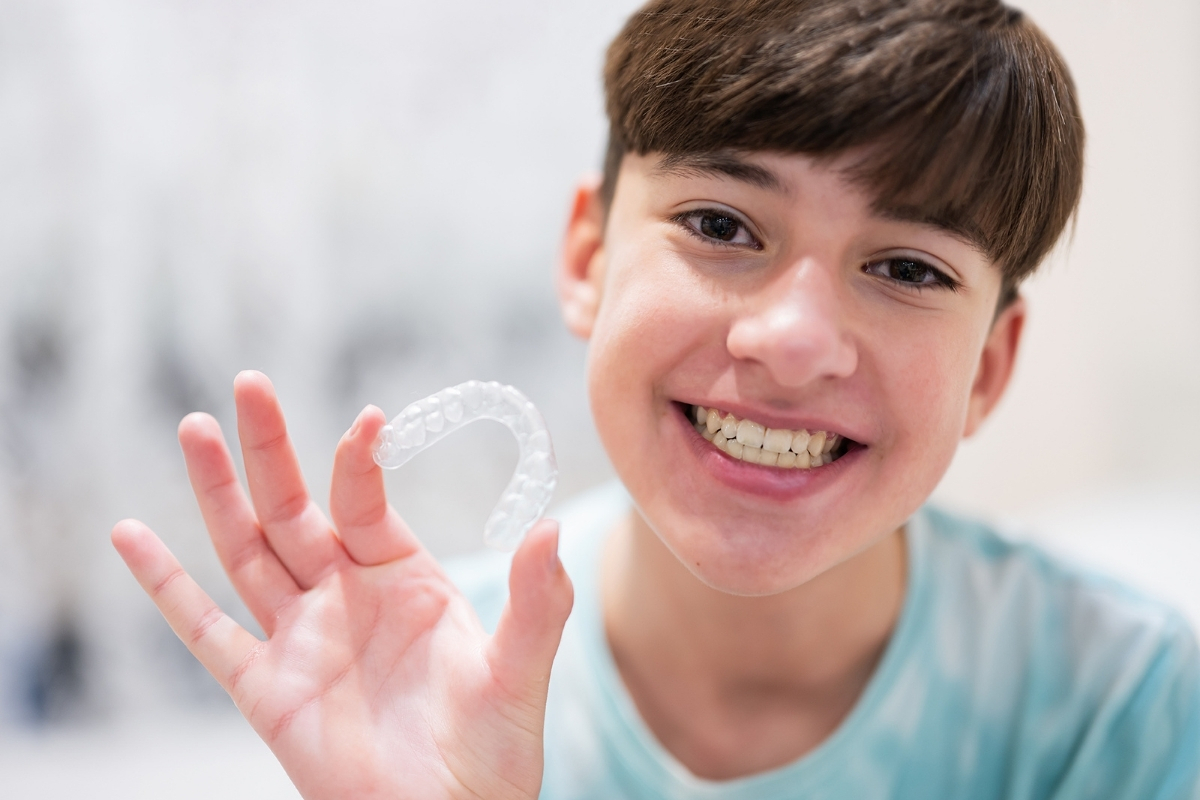
A properly aligned bite plays an important role in how comfortably you speak and chew, and in maintaining your oral health. When the upper and lower teeth do not meet correctly, it can affect daily functions and the appearance of your smile. An open bite is one type of orthodontic concern that may require professional evaluation and treatment planning.
For many patients, Invisalign for open bite can provide a modern approach to improving tooth alignment and bite function. At Rick Burns Orthodontics, patients receive comprehensive orthodontic guidance to understand their condition and explore treatment options that support a healthier smile.
What Is an Open Bite?
An open bite occurs when certain upper and lower teeth do not make contact when the mouth is closed. This condition most commonly affects the front teeth, but it can also involve the back teeth. Depending on the cause and severity, an open bite may influence chewing patterns, speech clarity, and overall oral function.
Several factors can contribute to this orthodontic concern, including:
- Childhood habits such as thumb sucking or extended pacifier use
- Jaw development differences
- Genetic factors affecting tooth and bite alignment
- Tongue positioning habits
- Irregular tooth eruption patterns
A professional evaluation helps determine the underlying cause and the most suitable approach for correction. Early assessment can help prevent further complications from tooth wear, jaw strain, or uneven pressure on the teeth.
How Does Invisalign Correct an Open Bite?
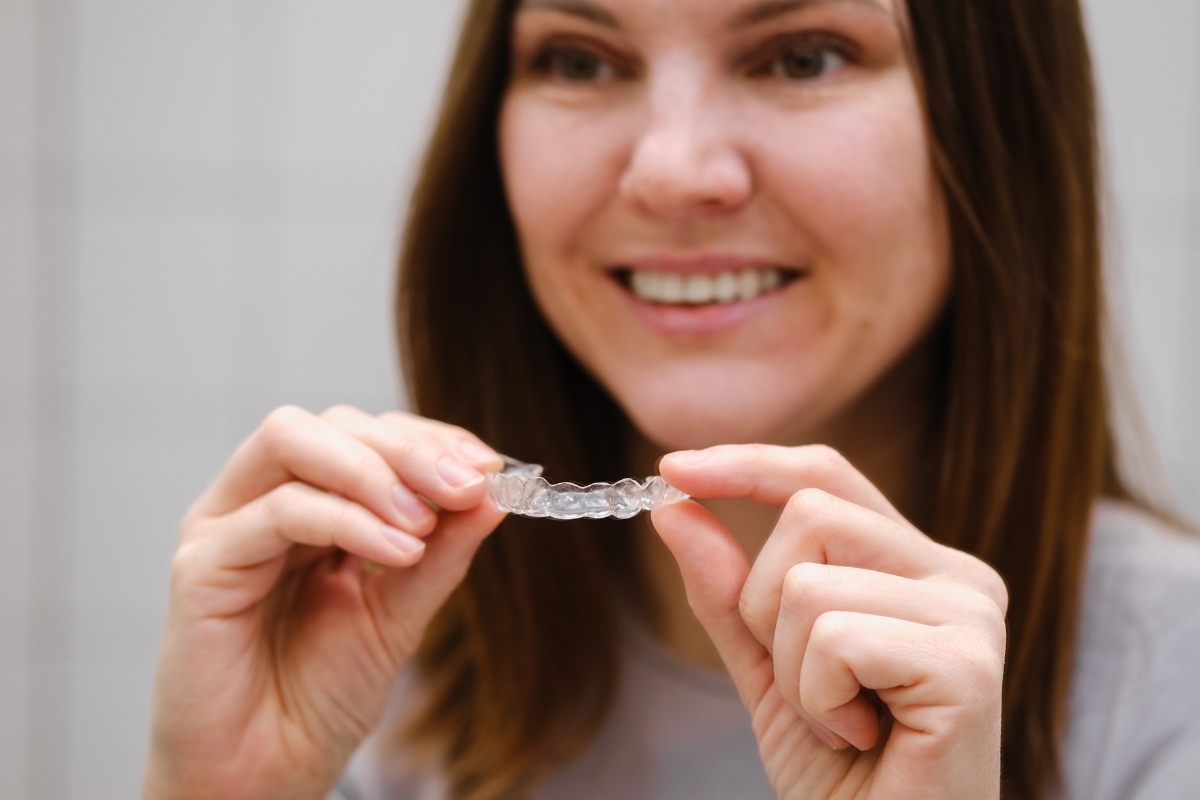
Many patients want to understand how Invisalign corrects an open bite before beginning treatment. It uses a series of digitally planned aligners that apply controlled pressure to specific teeth. Over time, these gradual movements help improve tooth positioning and support better contact between the upper and lower teeth.
Before treatment begins, an orthodontist evaluates your bite relationship, tooth alignment, and oral health. Digital imaging and advanced planning technology help create a step-by-step treatment plan tailored to your orthodontic needs.
The treatment process generally includes:
- A detailed orthodontic consultation and examination
- Digital scans or impressions of the teeth
- A customized movement plan
- Regular appointments to monitor progress
The success of treatment depends on factors such as the complexity of the bite concern, patient compliance, and consistent follow-up care.
Is Invisalign Effective for Open Bite Correction?
The effectiveness depends on the severity of the condition and the specific movements required to improve the bite. Many patients with mild to moderate bite concerns may benefit from transparent braces when treatment is properly planned and monitored.
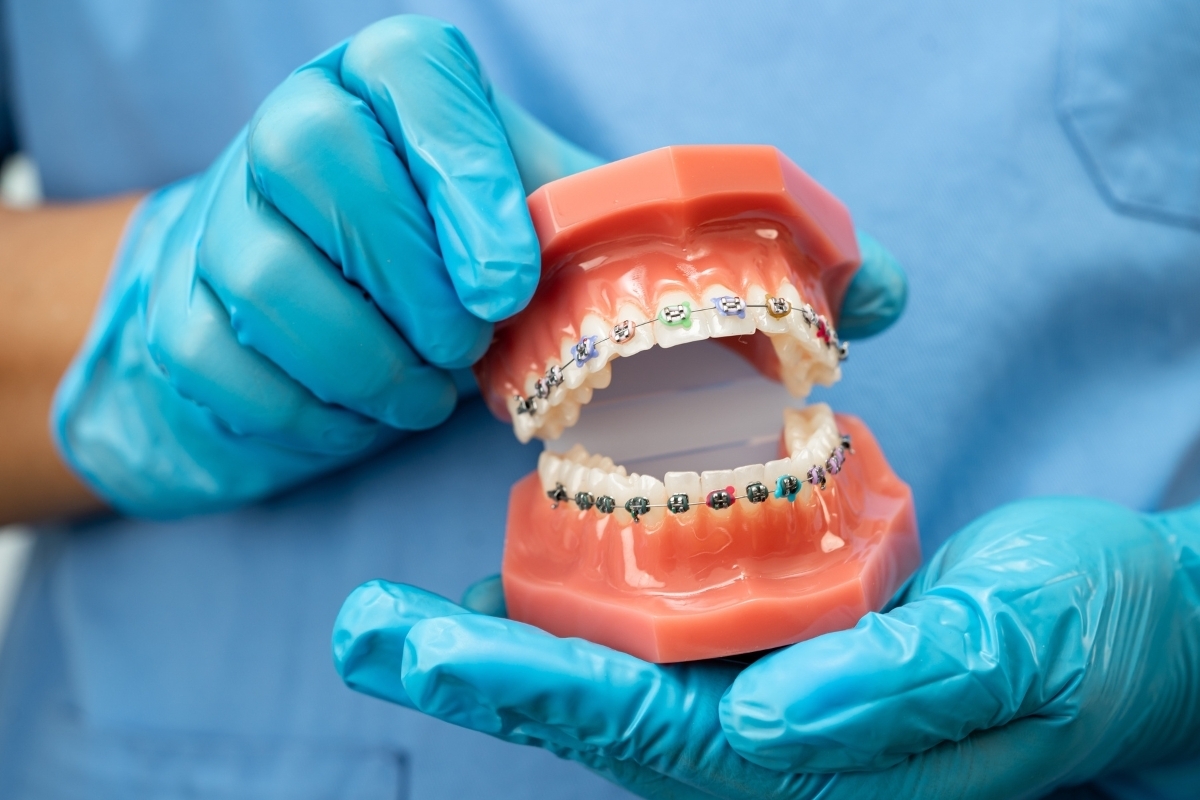
Unlike traditional orthodontic options that use brackets and wires, Invisalign allows patients to remove their aligners when eating and completing oral hygiene routines. This flexibility can make maintaining daily dental care easier throughout treatment.
Potential benefits include:
- Improved tooth alignment and bite function
- A more comfortable orthodontic experience
- Easier brushing and flossing during treatment
- Fewer dietary restrictions
- Improved smile appearance
Patients considering Invisalign for open bite can benefit from a consultation to understand whether this approach is appropriate for their orthodontic goals.
What Happens During Invisalign Treatment?
The process begins with an orthodontic examination. Your provider reviews your bite, discusses your concerns, and explains how treatment may improve your smile.
Once treatment begins, patients receive a series of aligners designed to move teeth gradually. Each set is worn according to the orthodontist’s instructions before progressing to the next stage.
Successful treatment requires active participation from patients. Important steps include:
- Wearing aligners for the recommended hours each day
- Keeping aligners clean and properly stored
- Following scheduled orthodontic visits
- Maintaining regular dental care appointments
Following these instructions helps ensure that treatment progresses as planned and supports predictable results.
Who Is a Candidate for Invisalign Treatment?
Invisalign may be an option for many teens and adults who want to improve tooth alignment and bite concerns. However, a complete evaluation is necessary before starting any orthodontic treatment.
Your orthodontist will consider several factors, including:
- The severity of the bite issue
- Tooth movement requirements
- Jaw growth and development
- Existing dental conditions
- Previous dental treatment
Some patients may need additional orthodontic procedures depending on their specific condition. A consultation allows your provider to explain available options and recommend the appropriate approach.
Choosing Invisalign Treatment in Middlebury
Selecting a local orthodontic provider is an important step when addressing bite concerns. Rick Burns Orthodontics focuses on providing patients with clear information about their orthodontic options and treatment process.
Dr Burns works with patients to evaluate their bite concerns and explain how orthodontic treatment can improve both function and the appearance of their smile. With proper planning and regular monitoring, patients can work toward a more balanced bite and improved oral health.
For patients seeking open bite treatment in Middlebury, this orthodontic treatment may offer an effective solution to address alignment concerns while allowing them to maintain their everyday routines.
How Long Does Invisalign Treatment Take?
The duration of Invisalign treatment varies based on the complexity of the bite concern and the amount of tooth movement required. Some patients may complete treatment within a shorter timeframe, while others may need additional months to achieve their desired results.
Factors that may affect treatment length include:
- The amount of correction needed
- How consistently aligners are worn
- The response of teeth to movement
- Regular orthodontic appointments
Your orthodontist can provide a more accurate treatment timeline after completing a detailed evaluation.
Maintaining Results After Invisalign Treatment
Completing orthodontic treatment is only one part of achieving long-lasting results. Teeth can naturally shift over time, which is why retention is an important part of the process.
Patients can help maintain their results by:
- Wearing retainers as recommended
- Continuing proper dental care habits
- Attending routine dental visits
- Following orthodontic recommendations
Consistent maintenance helps protect the improvements achieved through treatment.
Improve Your Bite With Professional Orthodontic Care
Correcting bite concerns can improve oral function, smile appearance, and confidence. If you are considering Invisalign for an open bite, a professional consultation can help you understand your treatment options and determine the right next step.
Patients interested in improving their smile can visit our dental office to discuss their orthodontic goals and learn more about available solutions. Rick Burns Orthodontics provides comprehensive dental care focused on helping patients achieve healthier and more balanced smiles.
Begin Your Invisalign Journey Today
A properly aligned smile can make everyday activities more comfortable while supporting long-term oral health. If you are exploring Invisalign for open bite near Middlebury, Rick Burns Orthodontics can help you understand whether Invisalign is suitable for your smile needs.
Contact our Middlebury orthodontic team today and book an appointment to take the first step toward improving your bite and achieving a confident smile.
Frequently Asked Questions
Can Invisalign correct an open bite?
Invisalign may help address certain types of open-bite concerns by gradually moving teeth into better positions. An orthodontic evaluation is needed to determine whether this treatment approach is appropriate for your specific condition.
How does Invisalign help improve bite alignment?
Invisalign uses a planned series of aligners that apply controlled pressure to guide tooth movement. Regular orthodontic visits help monitor progress and ensure treatment continues as planned.
How long does Invisalign treatment usually take?
Treatment length depends on the severity of the bite concern, the amount of movement needed, and how consistently aligners are worn. Your orthodontist can provide a more accurate estimate after an evaluation.
Is Invisalign difficult to maintain during daily routines?
Many patients find Invisalign convenient because aligners can be removed for eating and oral hygiene. Following cleaning instructions and wearing aligners as directed helps support successful treatment.
What should I expect after completing Invisalign treatment?
After treatment, retainers are commonly recommended to help keep teeth in their corrected positions. Consistent retention and routine dental care help maintain long-term results.
How do I know if Invisalign is right for my bite concern?
A consultation with an orthodontist is the first step in determining whether Invisalign is suitable. Your provider will review your bite, dental health, and treatment goals before recommending an approach.