Pay Now

Why Do Teeth Become Crooked Again After Braces?

Finishing braces treatment can be an exciting milestone. After months or years of watching your teeth gradually move, you finally get to see your new smile without brackets and wires. But orthodontic treatment does not necessarily mean your teeth will remain in exactly the same positions forever. Teeth can gradually shift after the treatment, especially when retention instructions are not followed.
This movement is known as orthodontic relapse. It can range from a barely noticeable change to more significant crowding, spacing, or bite changes. Understanding why it happens is an important part of protecting the results of orthodontic treatment.
At Rick Burns Orthodontics, Dr. Rick Burns and our team help patients maintain the alignment achieved through orthodontic care. Our Middlebury orthodontic office provides ongoing guidance on retention and post-treatment smile maintenance. If you have noticed your teeth shifting after braces, visit our Middlebury dental office for an orthodontic evaluation.
Why Do Teeth Shift After Braces?
Teeth are not permanently fixed in the jawbone. They are supported by bone, periodontal ligaments, gum tissue, and surrounding structures. During orthodontic treatment, controlled forces move teeth through the bone into improved positions.
Once the aligners are removed, the tissues around the teeth need time to reorganize and adapt to those positions. Teeth naturally have some tendency to move after active orthodontic treatment, which is why retention is considered an essential phase of orthodontic care.
Why Do Teeth Shift After Braces Treatment
Several factors can contribute to post-treatment movement.
Not Wearing Your Retainer as Directed
One of the most common reasons teeth become crooked again is inconsistent retainer wear.
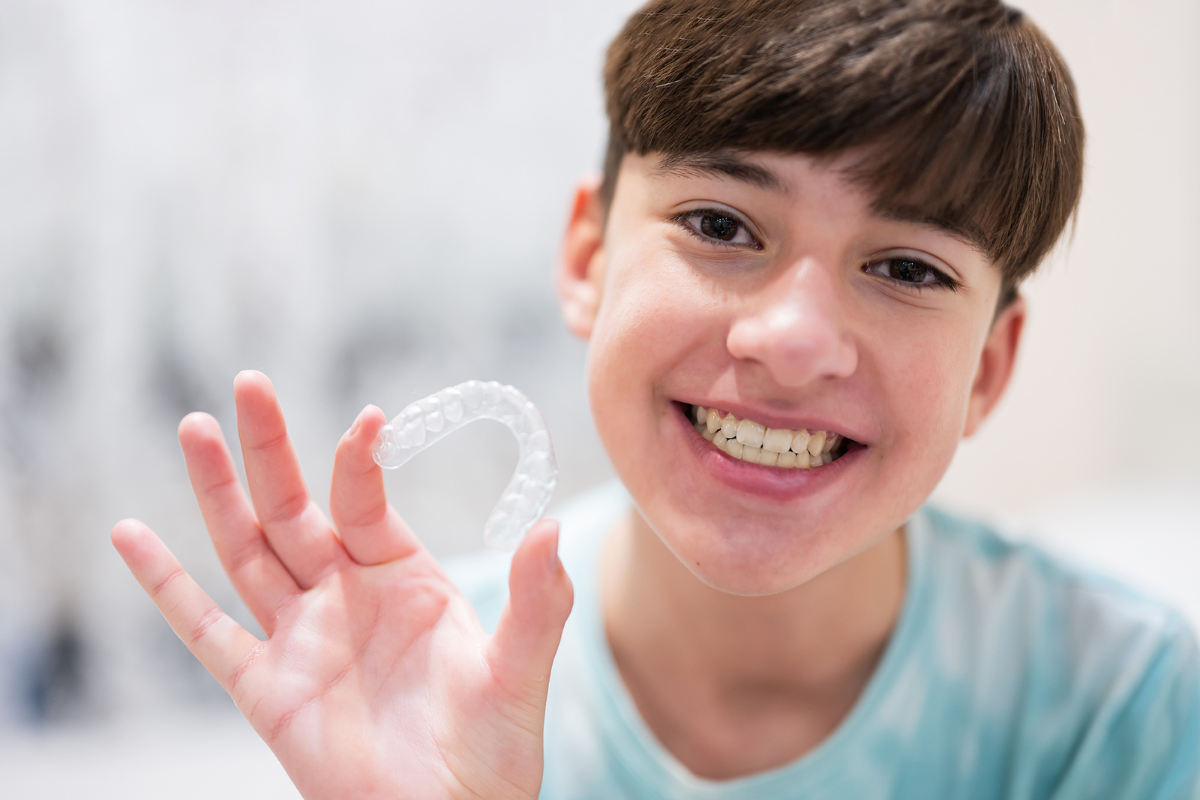
A retainer is designed to hold teeth in their corrected positions after braces. When removable retainers are not worn according to the orthodontist’s instructions, teeth have more opportunity to move.
This does not always result in dramatic changes immediately. Early relapse can be subtle. You might first notice that:
- Your retainer feels tighter than usual.
- A small gap is returning.
- One front tooth looks slightly rotated.
- Lower front teeth are becoming crowded.
- Your bite feels a little different.
These small changes should not be ignored. Addressing movement early may provide more treatment options than waiting until the teeth have shifted significantly.
Why Are Teeth Less Stable Right After Braces?
The period immediately following the procedure is particularly important because the bone and supporting tissues around the teeth are still adapting.
Orthodontic forces do more than move the visible crowns of your teeth. Changes also occur in the surrounding bone and periodontal tissues. Once active tooth movement ends, these structures require time to remodel.
This is one reason your orthodontist provides specific retention instructions after removing the aligners. Retention helps support the newly aligned teeth as the surrounding structures adjust.
However, orthodontic stability is not only a short-term concern. Teeth and bites can continue changing throughout life, so maintaining your results may require long-term attention.
Natural Aging Can Cause Teeth to Move
Your teeth can change position as you get older, whether or not you previously had the aligners.
The mouth is part of a living, changing biological system. Jaw growth, aging, changes in the supporting tissues, tooth wear, and other factors can influence alignment over time.
Lower front teeth are particularly prone to becoming crowded as people age. Someone who had straight teeth after orthodontic treatment as a teenager may therefore notice changes years or even decades later.
This does not necessarily mean the original treatment failed. Instead, it highlights why orthodontic retention is important for preserving alignment over the long term.
Can Teeth Shift Even If You Wear a Retainer?
Yes. A retainer significantly helps maintain orthodontic results, but it cannot guarantee that absolutely no movement will ever occur.
A removable retainer may stop fitting correctly because of wear, damage, or changes in tooth position. Fixed retainers can also break or partially detach from a tooth. In some cases, unwanted tooth movement can occur even when a fixed retainer appears to remain in place.
If your retainer suddenly feels different or your teeth no longer look as they did when treatment ended, schedule an orthodontic assessment rather than trying to force an ill-fitting appliance onto your teeth.
What Happens If Your Retainer Breaks or Stops Fitting?
Retainers do not necessarily last forever.
Clear removable retainers can become worn, cracked, distorted, or lost. A bonded retainer can loosen or detach from one or more teeth. Once a retainer stops holding the teeth as intended, movement may begin.
Contact your orthodontist if you notice:
- A crack or significant wear in a removable retainer
- A retainer that suddenly feels unusually tight
- A retainer that no longer fits over your teeth
- A loose or detached fixed retainer wire
- Movement of a tooth near a bonded retainer
- New crowding or spacing
Do not wait until the change becomes obvious. An orthodontist can determine whether you simply need a replacement retainer or whether some tooth movement has already occurred.
Do Wisdom Teeth Make Teeth Crooked Again?
Patients often blame wisdom teeth when their lower front teeth begin crowding after braces. The relationship is not that straightforward.
Post-treatment crowding can occur as part of normal growth and age-related changes. Multiple biological factors can contribute to tooth movement, so wisdom teeth should not automatically be assumed to be the cause.
If you notice crowding, an orthodontic examination can help identify what has changed and whether treatment is necessary.
How Can You Prevent Teeth From Becoming Crooked Again?
There is no way to promise that teeth will never move, but you can take practical steps to help protect your orthodontic results.
Follow Your Retainer Instructions
Wear your removable retainer according to the schedule provided by your orthodontist. Retention protocols can vary depending on your teeth, bite, treatment history, and retainer type.
Do not reduce or discontinue retainer wear simply because your teeth appear straight.
Take Proper Care of Your Retainer
Keep removable retainers clean and store them safely when they are not being worn. Excessive heat can distort some retainer materials, while improper handling can cause cracking or damage.
If you have a fixed retainer, pay attention to the wire and the bonding points behind your teeth.
Check the Fit Regularly
Your retainer should fit as intended. If it suddenly becomes tight, loose, painful, or difficult to seat completely, something may have changed.
A tight retainer can sometimes be one of the earliest clues that your teeth are moving.
Keep Up With Orthodontic Follow-Up
Post-treatment evaluations allow your orthodontic team to assess alignment, bite stability, and retainer condition. They also give you an opportunity to mention changes you may have noticed at home.
Act Early When Something Changes
Minor orthodontic relapse may be easier to address than advanced movement. If a tooth starts rotating or a gap begins reopening, do not wait several months to see whether it becomes worse.
What Can Be Done If Your Teeth Have Already Shifted?
The appropriate solution depends on how much movement has occurred.
Minor Tooth Movement
If the change is very small, your orthodontist may evaluate whether adjustments to your retention plan or a replacement retainer are appropriate.
Moderate Relapse
When several teeth have shifted, limited orthodontic treatment may be considered. Depending on your situation, clear aligners or braces may be used to guide teeth back toward improved positions.
Significant Relapse
More substantial crowding, spacing, or bite changes may require a more comprehensive orthodontic approach. Your orthodontist will need to evaluate your current tooth positions and bite before recommending treatment.
The important point is not to assume that every relapse means starting your entire original treatment again. The extent and cause of movement determine what comes next.
Can You Use Your Old Retainer to Move Teeth Back?
Do not force an old retainer onto teeth that have noticeably shifted.
Retainers are primarily intended to maintain tooth position rather than provide uncontrolled orthodontic correction. If an appliance no longer seats correctly, forcing it into place could cause discomfort or place inappropriate pressure on the teeth.
Bring the retainer to your orthodontic appointment. Your orthodontist can examine both your teeth and the appliance and recommend the appropriate next step.
Why Long-Term Retention Matters
Taking off your aligners marks the end of active orthodontic treatment, but maintaining your results is an ongoing process.
Teeth remain capable of movement throughout life. Changes in supporting tissues, growth, aging, and other biological factors mean that even beautifully aligned teeth can shift with time. A consistent retention routine is therefore one of the most important ways to protect the time and effort invested in orthodontic treatment.
Think of your retainer as part of maintaining your new smile rather than as a temporary accessory after the procedure.
When Should You See an Orthodontist About Shifting Teeth?
Schedule an orthodontic evaluation if you notice that your teeth are no longer as straight as they were after treatment, particularly if the change appears to be progressing.
You should also seek an assessment when your retainer:
- No longer fits properly
- Has become damaged
- Feels much tighter than before
- Has been lost
- Has a loose or broken wire
- Appears to allow movement of nearby teeth
You do not have to wait for severe crowding to develop before seeking advice.
Maintain Your Straighter Smile in Middlebury, IN
Seeing teeth shift can be frustrating, but recognizing the change early gives you an opportunity to address it. Consistent retainer wear, proper retainer care, and timely orthodontic evaluations can all play important roles in maintaining your alignment.
At Rick Burns Orthodontics in Middlebury, we help patients understand what is happening when previously straightened teeth begin moving and determine the appropriate next step. Whether you need your retainer evaluated, have noticed minor relapse, or are concerned about more noticeable changes, an orthodontic assessment can provide clarity.
Schedule a visit to our Middlebury orthodontic office to have your smile and retainer evaluated and learn how to maintain your orthodontic results for the years ahead.
Frequently Asked Questions
1. How quickly can teeth shift after braces are removed?
Teeth can begin shifting relatively soon after braces come off, especially without proper retention. The surrounding bone and tissues need time to adapt, making consistent retainer wear particularly important during the early post-treatment period.
2. Will my teeth shift if I stop wearing my retainer?
They can. Without a retainer, teeth may gradually move away from their corrected positions. The amount varies among patients, but long-term retainer use can help reduce unwanted changes and preserve orthodontic alignment.
3. Can I wear my retainer again after not wearing it for years?
It depends on how much your teeth have moved. If your old retainer no longer fits comfortably, do not force it. An orthodontist should assess your alignment and recommend an appropriate retention or retreatment option.
4. Why does my retainer feel tight all of a sudden?
A suddenly tight retainer may indicate slight tooth movement, although appliance changes or damage can also affect fit. Schedule an orthodontic evaluation if tightness persists or the retainer cannot seat completely over your teeth.
5. Do I have to wear a retainer forever after braces?
Long-term retention is commonly recommended because teeth can continue changing throughout adulthood. Your exact wear schedule depends on your orthodontic needs, treatment history, and retainer type, so follow the instructions provided by your orthodontist.
6. Can crooked teeth after braces become straight again?
Often, yes. Treatment depends on the amount and type of relapse. Minor changes may require relatively limited intervention, while greater crowding, spacing, or bite changes may need clear aligners, braces, or another orthodontic approach.
7. Why are my bottom teeth becoming crooked again?
Lower front teeth commonly experience alignment changes over time. Natural aging, continued biological changes, and inadequate retention can contribute. An orthodontist can evaluate the crowding and determine whether additional treatment or updated retention is appropriate.