Pay Now

Foods to Avoid With Braces to Prevent Damage and Delays
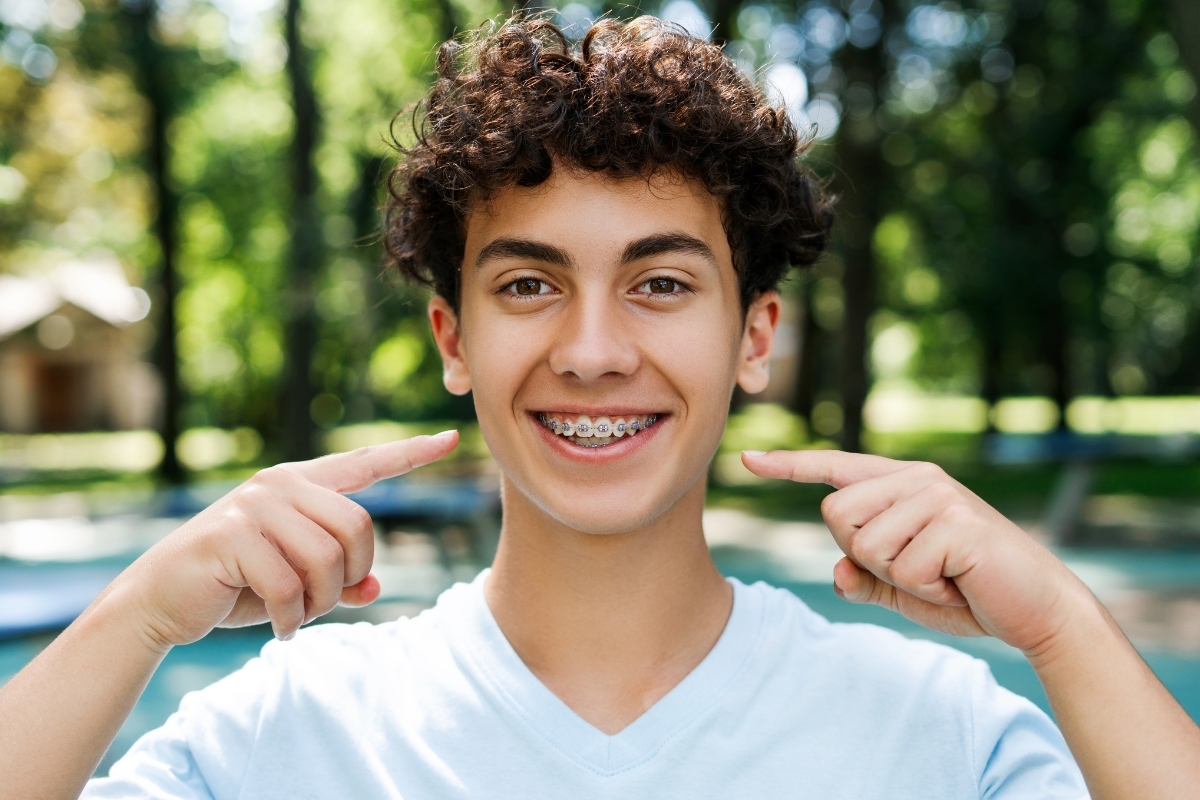
Getting orthodontic treatment is an exciting step toward a healthier, straighter smile. However, many patients are surprised to learn that everyday eating habits can affect how smoothly treatment progresses. Choosing the wrong foods can bend wires, loosen brackets, and create setbacks that require additional visits and repairs.
At Rick Burns Orthodontics, patients from Elkhart and surrounding communities often ask which foods are safe and which to avoid. Dr. Burn regularly helps patients understand how simple dietary adjustments can protect their appliances and keep treatment on track. Understanding which foods to avoid with braces can help prevent unnecessary complications and make daily life much easier.
In this guide, you’ll learn which foods pose the greatest risks, why they cause problems, what alternatives to choose, and practical tips for eating comfortably throughout treatment.
What Foods Can Damage Orthodontic Appliances?
Hard, sticky, crunchy, and chewy foods are the most common causes of broken brackets, bent wires, and treatment delays.
Many patients focus on cleaning their teeth but overlook how food choices affect treatment. Even one bite of the wrong food can result in damage that requires adjustments or repairs.
Common examples include:
- Hard candies
- Ice cubes
- Nuts
- Popcorn kernels
- Chewy caramel
- Taffy
- Gum
- Hard pretzels
- Thick crust pizza edges
- Crunchy chips
These are among the most common foods that damage braces and often lead to emergency appointments.
Why Do Hard Foods Cause Problems?
Hard foods place excessive pressure on brackets and wires.
When patients bite into hard foods, the force transfers directly to the orthodontic appliance. This can cause brackets to detach or wires to bend out of position.
Foods Not to Eat Because They Are Too Hard
- Ice
- Almonds and peanuts
- Hard taco shells
- Jawbreakers
- Hard cookies
- Corn on the cob
- Whole apples bitten directly
Instead, cut fruits into small pieces and remove corn from the cob before eating.
Many orthodontic patients in Elkhart, Goshen, Mishawaka, and nearby communities are surprised that healthy foods can still cause problems if prepared incorrectly.
What Not to Eat With Braces During the First Few Weeks?
The first few weeks are often the most sensitive period.
Teeth gradually begin to respond to orthodontic forces, which can cause temporary soreness. During this stage, choosing softer foods can improve comfort while reducing the risk of appliance damage.
Softer Options That Are Easier to Eat
These braces-friendly foods are commonly recommended during the adjustment period:
- Yogurt
- Scrambled eggs
- Oatmeal
- Mashed potatoes
- Pasta
- Soft rice dishes
- Smoothies
- Soft fruits
- Soups
- Cottage cheese
Patients frequently ask what they can eat with braces after adjustments. Soft foods are usually the safest option for the first few days.
Following the simple braces diet tips can make eating more comfortable while protecting your orthodontic investment.
Which Sticky Foods Create the Biggest Risk?
Sticky foods are often more problematic than hard foods.
Unlike crunchy snacks that may break a bracket immediately, sticky foods can pull on wires and brackets repeatedly while remaining difficult to remove during brushing.
Foods That Frequently Cause Damage
Examples include:
- Caramel
- Taffy
- Gummy candies
- Fruit chews
- Toffee
- Chewing gum
- Sticky granola bars
These foods commonly rank among the leading foods that break braces because they place constant tension on orthodontic components.
Patients searching for what not to eat with braces should pay particular attention to sticky snacks because damage is not always immediately noticeable.
What Are the Most Important Braces Food Restrictions?
The most important orthodontic food restrictions involve avoiding hard, sticky, chewy, or excessively crunchy foods.
Many online articles discuss general dietary advice but overlook everyday situations where problems occur.
Hidden Foods That Often Cause Trouble
Some foods appear harmless but frequently cause issues:
- Bagels with thick crusts
- Beef jerky
- Crunchy artisan bread
- Large raw carrots
- Pizza crust
- Hard sandwich rolls
- Thick tortilla chips
These common items often fall under important braces food restrictions because they require significant biting force.
Patients receiving braces options in Elkhart are often advised to modify how these foods are prepared rather than eliminating them entirely.
For example:
- Slice apples into small pieces
- Steam vegetables
- Cut sandwiches into manageable portions
- Choose softer breads
At Rick Burns Orthodontics, Dr. Burns encourages practical solutions that allow patients to enjoy a varied diet while protecting their treatment progress.
Can Poor Food Choices Delay Treatment?
Yes, repeated damage to appliances can increase treatment time.
Every time a bracket breaks or a wire shifts out of place, tooth movement may be interrupted until repairs are completed.
How Delays Happen
A broken appliance may:
- Reduce treatment efficiency
- Require additional office visits
- Cause missed movement goals
- Extend overall treatment timelines
This is why understanding foods to avoid after getting braces is so important.
Many patients focus on oral hygiene but overlook how eating habits contribute to successful outcomes. Proper braces maintenance involves both cleaning and making smart dietary decisions.
How Can You Eat Safely Throughout Treatment?
Cut food into smaller pieces, chew carefully, and choose softer alternatives whenever possible.
Patients who practice eating safely with braces often experience fewer emergencies and smoother progress.
Helpful habits include:
- Taking smaller bites
- Chewing with back teeth when appropriate
- Avoiding biting directly into hard foods
- Carrying orthodontic wax when needed
- Following instructions after adjustments
These practical brace care tips help reduce avoidable complications.
Understanding foods to avoid with braces is only part of the process. Consistent daily habits play an equally important role in protecting your appliance.
If you have questions about dietary choices, treatment progress, or appliance care, visit our dental practice in Elkhart for guidance and ongoing orthodontic support.
Protect Your Smile Throughout Orthodontic Treatment
Choosing the right foods can make a significant difference in your treatment experience. Avoiding hard, sticky, and crunchy foods reduces the likelihood of broken appliances, unexpected repairs, and unnecessary delays.
At Rick Burns Orthodontics, Dr. Burns helps patients throughout Elkhart and nearby communities understand how daily habits affect long-term results. Knowing which foods to avoid with braces helps you protect your appliance and stay on track toward a healthier smile.
If you need guidance about orthodontic care, appliance repairs, or post-treatment maintenance, contact Rick Burns Orthodontics today. Call +1574-406-9605 to book an appointment and receive personalized recommendations for maintaining your smile throughout treatment.
Frequently Asked Questions
Can I eat popcorn if I remove the kernels?
Even partially popped kernels can become trapped around brackets and wires. Small pieces may also damage orthodontic components. Patients are generally encouraged to choose softer snack alternatives and discuss safe snack options during routine visits.
What should I do if I accidentally eat something that damages my appliance?
Check for loose brackets, poking wires, or discomfort. Contact your orthodontic provider promptly if anything feels unusual. Early evaluation can prevent additional problems and help keep treatment progressing efficiently.
Are sports drinks safe during orthodontic treatment?
Many sports drinks contain high amounts of sugar and acids that can increase the risk of enamel damage around brackets. Water remains the preferred choice for hydration. Patients should discuss beverage choices during regular orthodontic checkups.
Can I eat restaurant food while undergoing treatment?
Yes, but menu selections matter. Softer proteins, pasta dishes, cooked vegetables, and rice-based meals are often easier to manage. Avoid foods that require aggressive biting or contain sticky ingredients that may damage orthodontic appliances.
How often should my appliance be checked during treatment?
Regular follow-up visits are essential for monitoring tooth movement, adjusting appliances, and identifying potential issues early. Keeping scheduled appointments helps ensure treatment stays on track and provides opportunities to discuss dietary concerns and appliance care.